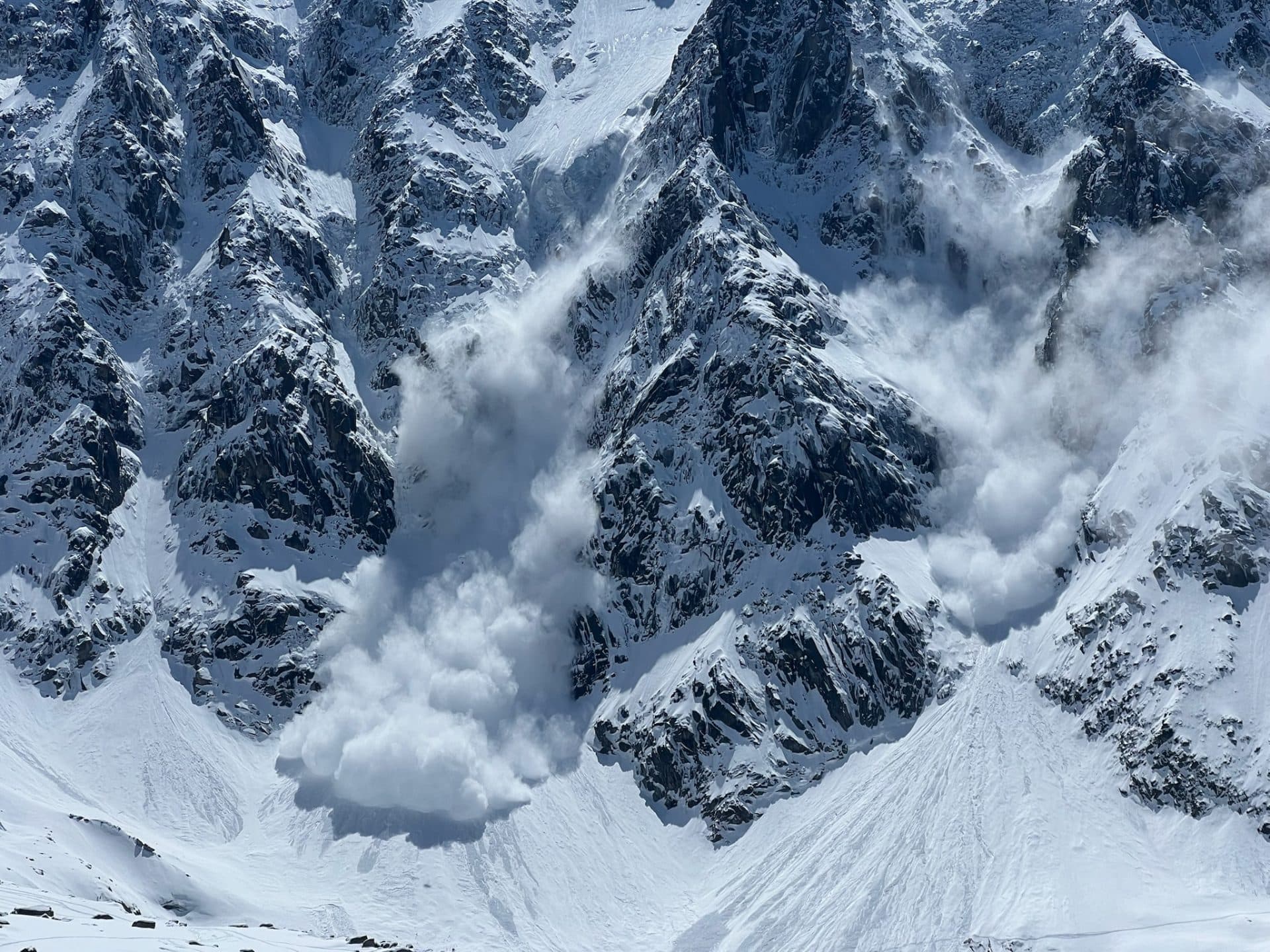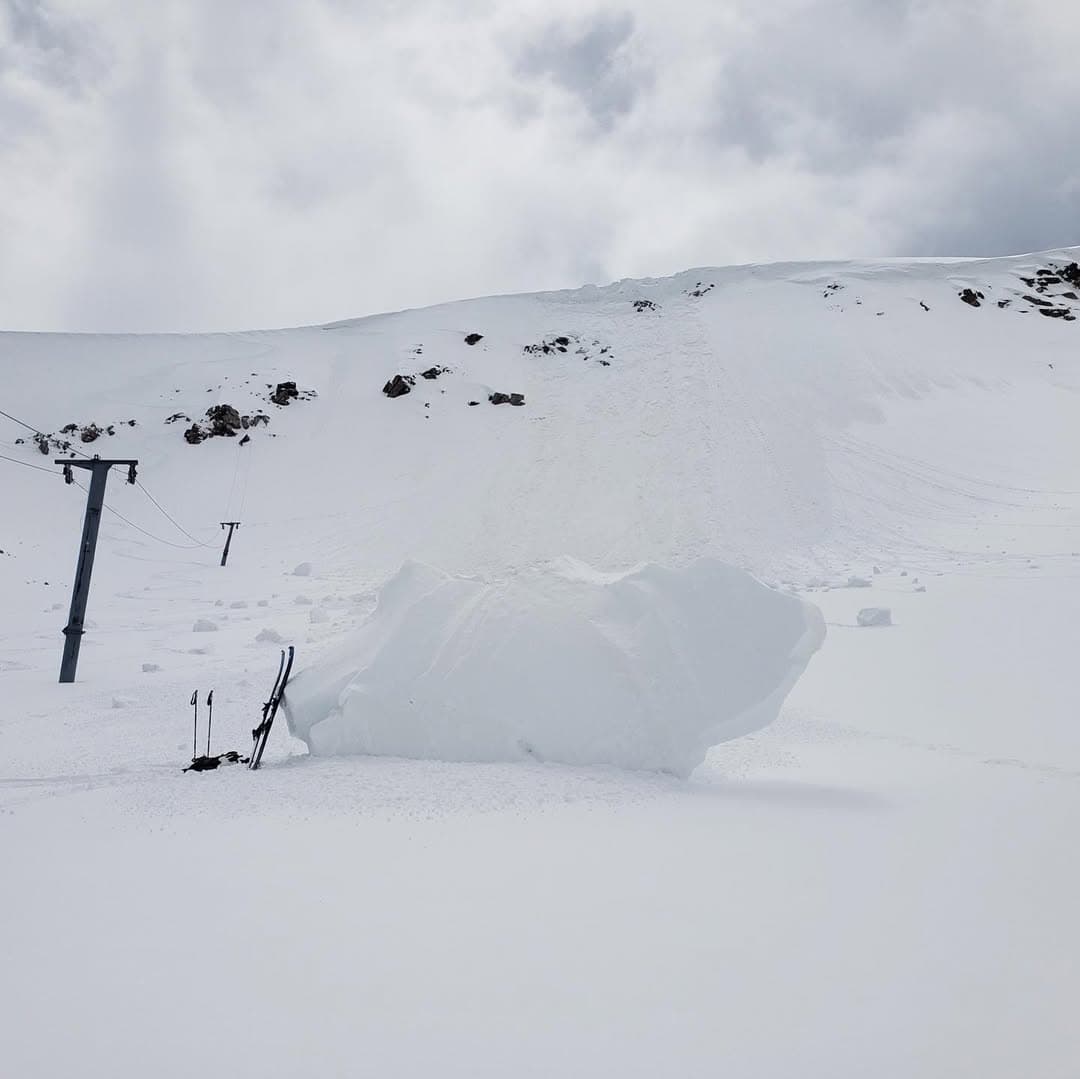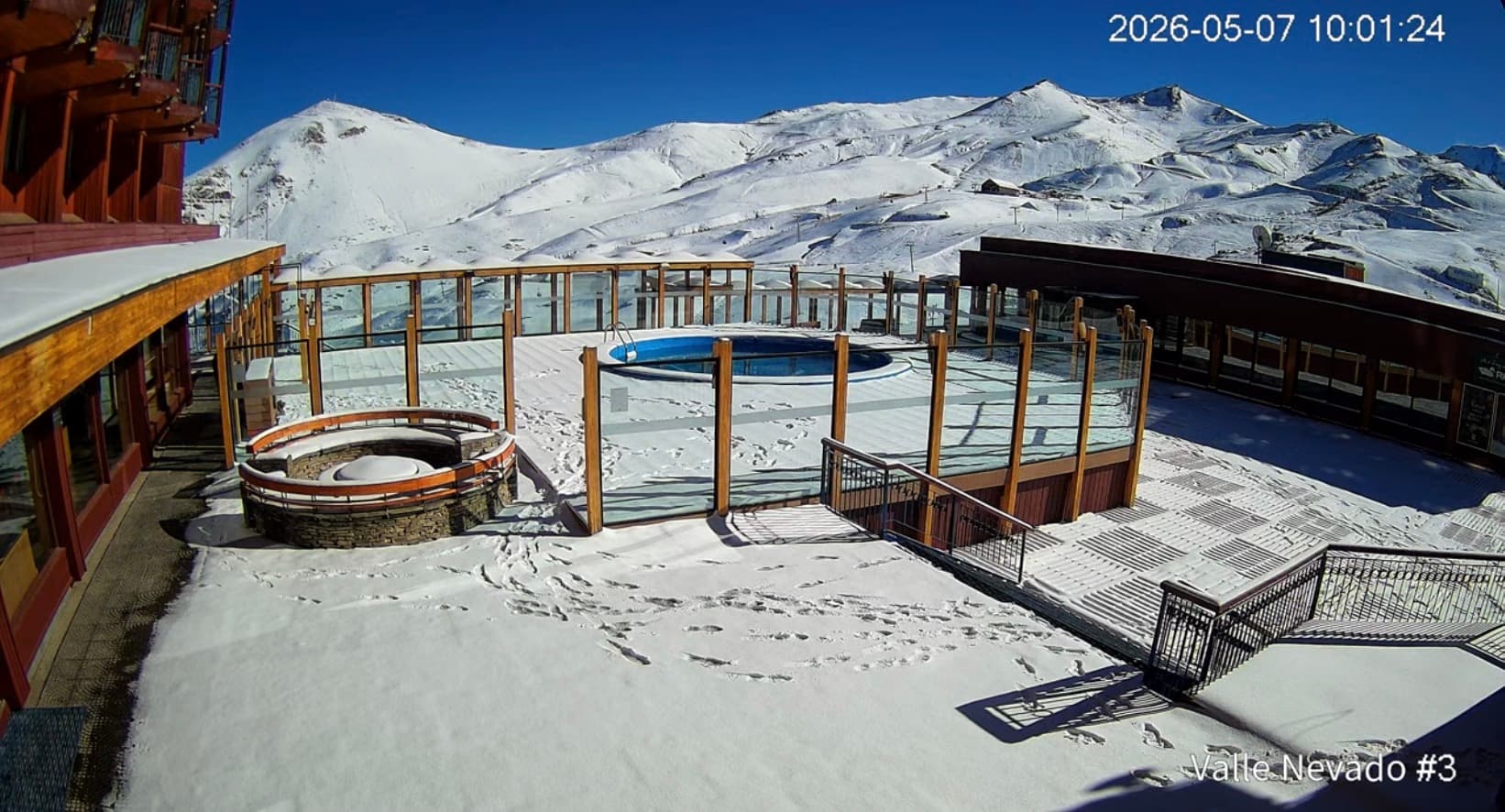
On May 7, 2026, the global skiing community witnessed a rare meteorological phenomenon: snow fell simultaneously across five continents. According to reports from SnowBrains, the event underscored that winter is a perpetual state somewhere on Earth, regardless of the calendar date.
North America: A Colorado Bonus
In the United States, Colorado experienced a late-season surge often jokingly referred to as 'Mayuary.' A significant storm cycle moved through the Rockies, depositing over a foot of fresh snow at high-altitude locations. Notable resorts benefiting from this include Breckenridge, Copper Mountain, and Arapahoe Basin. Specifically, Arapahoe Basin has leveraged this late-season gift to extend operations through the weekend of May 8–10, offering discounted access to spring skiers.

The Southern Hemisphere: Early Foundations
The snowfall was particularly significant for the Southern Hemisphere, where ski areas are currently preparing for their upcoming winter seasons. Australia’s Snowy Mountains, including resorts like Thredbo and Perisher, received up to 7 centimeters of snow. While the accumulation was modest, it served as a morale boost just weeks before the official opening.
Meanwhile, the Andes region in South America saw a more substantial storm between May 6 and May 9. Estimates suggest between 10 and 30 centimeters of snow fell, providing a critical base for resorts in Argentina and Chile. Given recent lean winters, this early-season activity is being watched closely by the industry.

Global Reach: Europe and Africa
Europe’s French Alps also saw a return to winter conditions at higher elevations, with Les 2 Alpes maintaining lift-served skiing. Perhaps most surprising was the report from Afriski Mountain Resort in the Maluti Mountains of Lesotho, Africa. The resort confirmed fresh snow just four weeks before its planned June 6 opening, marking a rare and notable addition to the global snow map.

Geographic Note
While Asia did not report significant snowfall during this window, Antarctica—the world's largest ice reservoir—remains a unique case. Despite its frozen appearance, it is technically a hyper-arid desert, receiving less than 8 inches of annual snowfall on average.