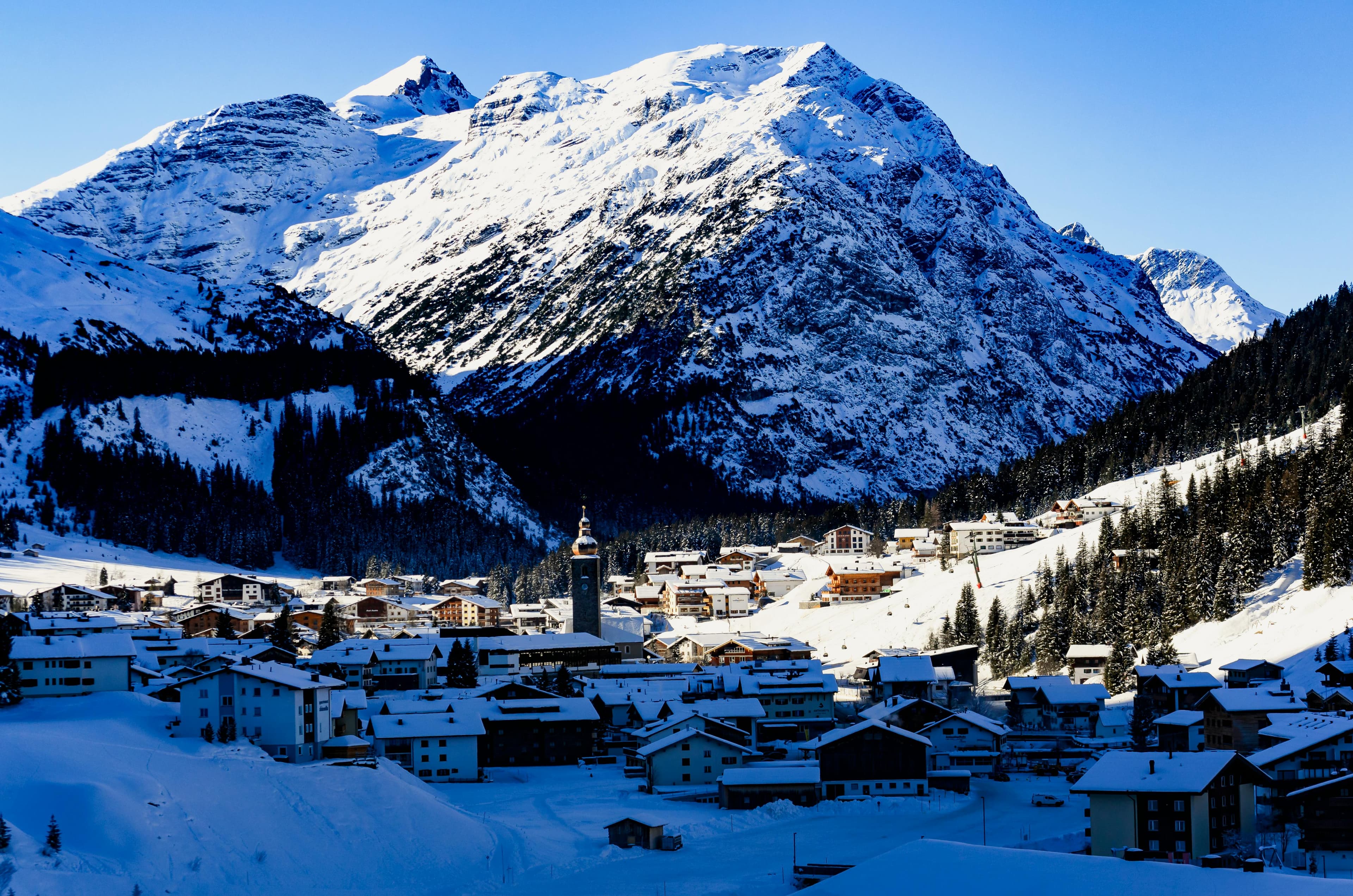
For skiers and snowboarders, the quality of a mountain destination is often defined by its lift infrastructure. According to data compiled by Skiresort.info, there are 24,431 ski lifts currently serving 6,132 ski resorts across the globe. This massive network of rope tows, chairlifts, and gondolas facilitates access to thousands of kilometers of terrain, though their distribution is heavily concentrated in specific regions.
Europe stands as the undisputed center of mountain transit, housing 16,823 of the world's lifts. This accounts for a significant majority of the global total, with France leading the continent—and the world—with 3,012 individual installations. The United States follows closely behind with 2,959 lifts, while Austria and Switzerland round out the top tier of developed mountain infrastructure.
The title for the world's most lift-heavy destination belongs to Les Portes du Soleil, spanning the border between France and Switzerland. With 164 lifts, the resort system offers an immense, interconnected network that is unrivaled in scale. Other regions, such as the Rocky Mountains in North America and the Japanese Alps in Asia, also host significant infrastructure, though they operate with lower total lift counts compared to the dense networks found in the European Alps.
Geographically, the distribution of lifts remains tied to mountain ranges. The Alps lead all ranges with 8,262 lifts. The Carpathian Mountains, the Scandinavian Mountains, and the North American Rockies follow, reflecting the historical and economic investment in winter sports tourism within these specific latitudes.