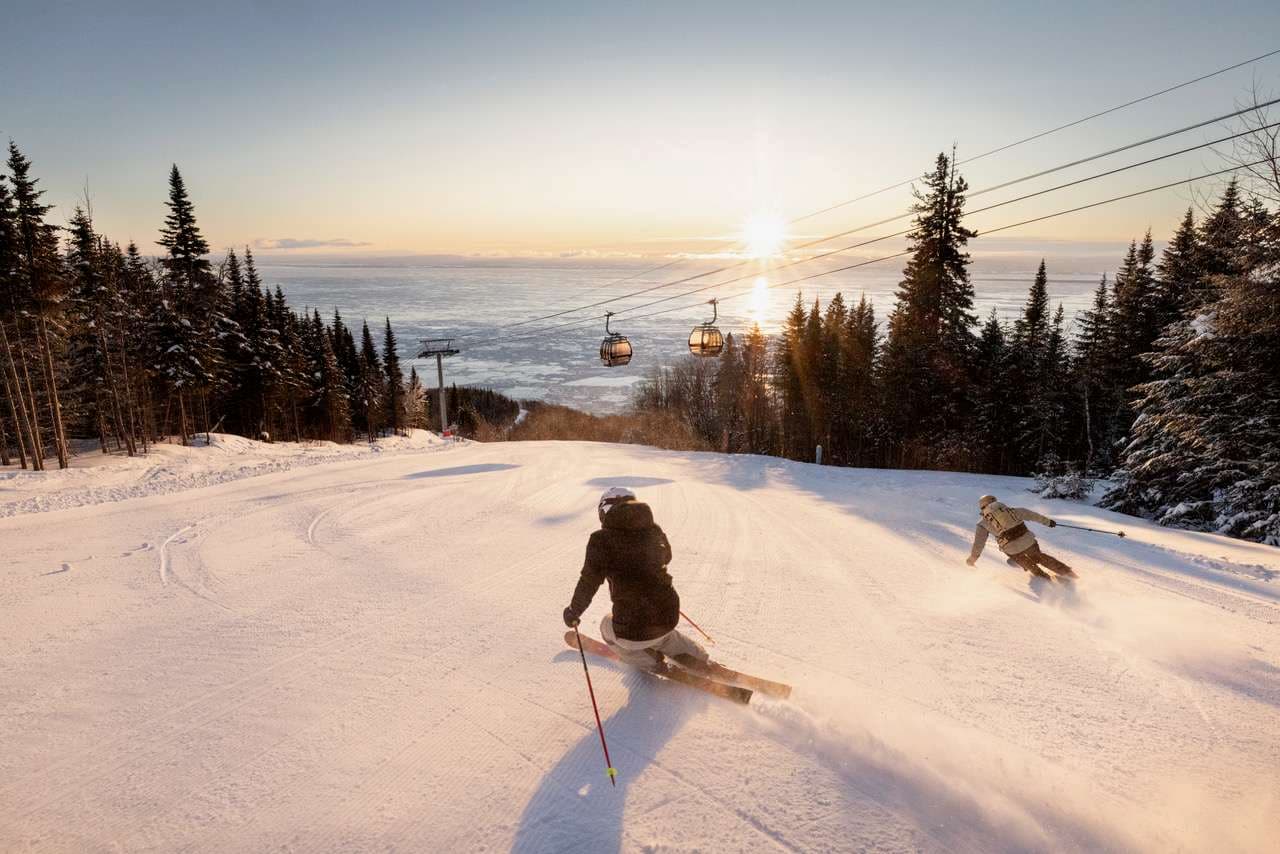
For enthusiasts of skiing and snowboarding, the sensation of carving through a turn is more than just a hobby—it is a pursuit of a specific 'flow state.' According to a recent discussion within the SnowBrains community, while many believe snow sports are entirely unique, several other disciplines offer a comparable thrill by challenging balance, speed, and split-second decision-making.
1. Mountain Biking
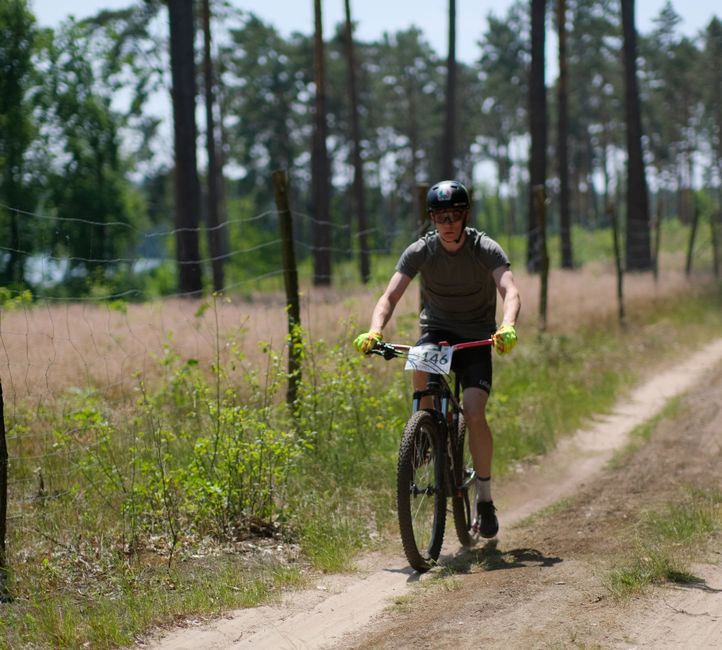
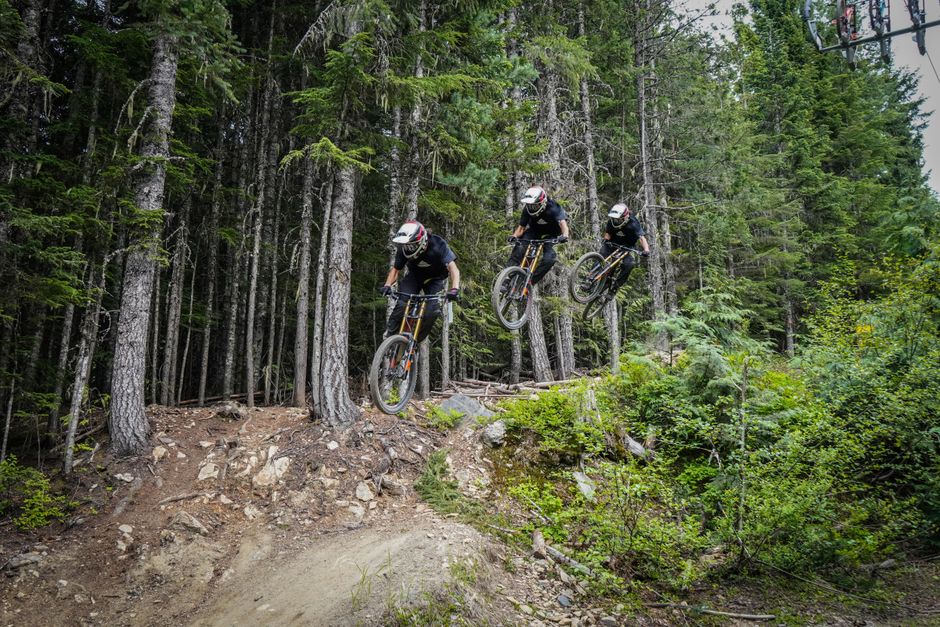
Ranking as the top choice among SnowBrains readers, downhill mountain biking is arguably the closest cousin to skiing. It requires the rider to read technical terrain, manage speed, and navigate obstacles with the same intensity as a steep mountain descent. The 'locked-in' focus required to stay on a trail mimics the focus needed when navigating a challenging ski run.
2. Surfing
Often described as the liquid version of snowboarding, surfing shares the fundamental mechanics of carving and weight distribution. The ability to read a wave's face is remarkably similar to reading a slope's topography, making it a natural transition for those looking to maintain their board-riding skills during the warmer months.

3. Skateboarding and Longboarding
The lineage between skateboarding and snowboarding is well-documented. The board-sport culture, combined with the mechanics of carving and riding switch, provides a strong foundation for snow riders. Longboarding, in particular, allows for the fluid, rhythmic movements often associated with cruising down a groomer.
4. Wakeboarding
For snowboarders, wakeboarding is the premier crossover sport. The stance, the engagement of the edges, and the body positioning are nearly identical. While the constant pull of the boat adds a unique variable, the muscle memory developed on the water translates directly to the mountain.

5. Rollerblading and Inline Skating
While some may view this as a legacy sport, inline skating remains an effective way to train for skiing. The lateral movement required for turning and the necessity of keeping one's center of gravity over the edges are essential skills that directly benefit alpine skiers.
6. Water Skiing
Water skiing emphasizes the fundamentals of edge control and weight distribution. Although the tow-rope creates a different physical dynamic, the core mechanics of carving across a surface remain a consistent crossover skill for alpine skiers.
7. The Unique Nature of Snow
It is worth noting that a significant portion of the SnowBrains community maintains that nothing truly compares to the combination of weather, gravity, and terrain found on the mountain. The lateral acceleration experienced during a turn stimulates the inner ear in a way that creates a meditative state, proving that while these seven sports are excellent alternatives, the winter season remains unmatched for many.