The 2025-26 ski season concluded with a somber milestone for mountain safety in Europe. According to data reported by SnowBrains, 146 individuals lost their lives in avalanche incidents across the Alps, Pyrenees, Apennines, and Scandinavian Mountains. This figure represents a sharp increase from the 70 deaths recorded the previous year and sits notably above the 20-year average of 104.35.
While many headlines labeled the season as a record-breaker, a deeper statistical review suggests a more nuanced reality. With a standard deviation of 35.64, historical data indicates that a seasonal death toll between 69 and 140 is statistically expected. While the 2025-26 season exceeded this range, it did not surpass the 2009-10 season, which saw 194 fatalities. The data underscores that while this winter was exceptionally dangerous, it was not an unprecedented outlier.
The Mechanics of the Danger
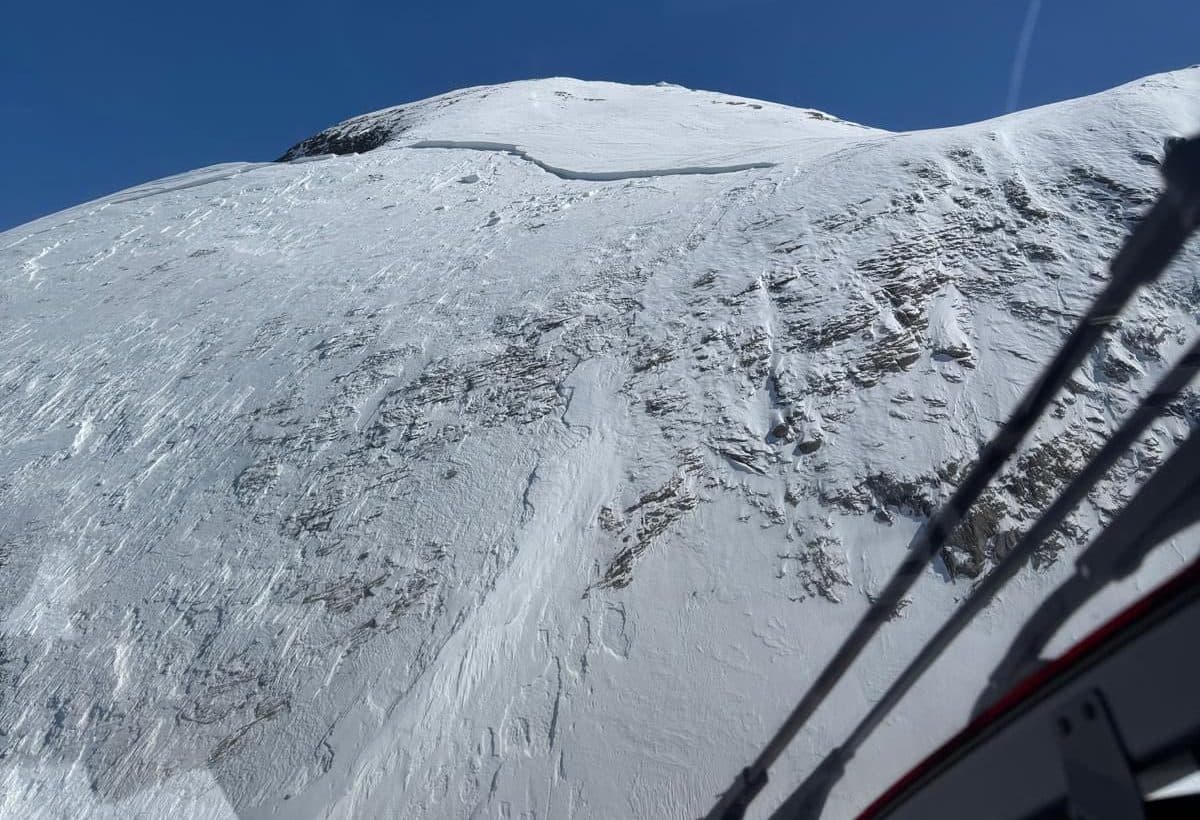
The primary culprit behind the increased mortality was not a single storm event, but a structural failure within the snowpack. Early-season conditions produced a thin, inconsistent snow cover that facilitated the development of faceted crystals near the ground. This 'persistent weak layer'—referred to by European forecasters as the Altschneeproblem—became the foundation for the entire winter.
As the season progressed, subsequent snowfall and wind-loading events placed immense pressure on this brittle base. Unlike surface instabilities that typically resolve within a few days, this deep-seated structural weakness remained sensitive for months. This led to a prolonged period of instability where even experienced backcountry travelers struggled to identify safe terrain.
A Deadly February


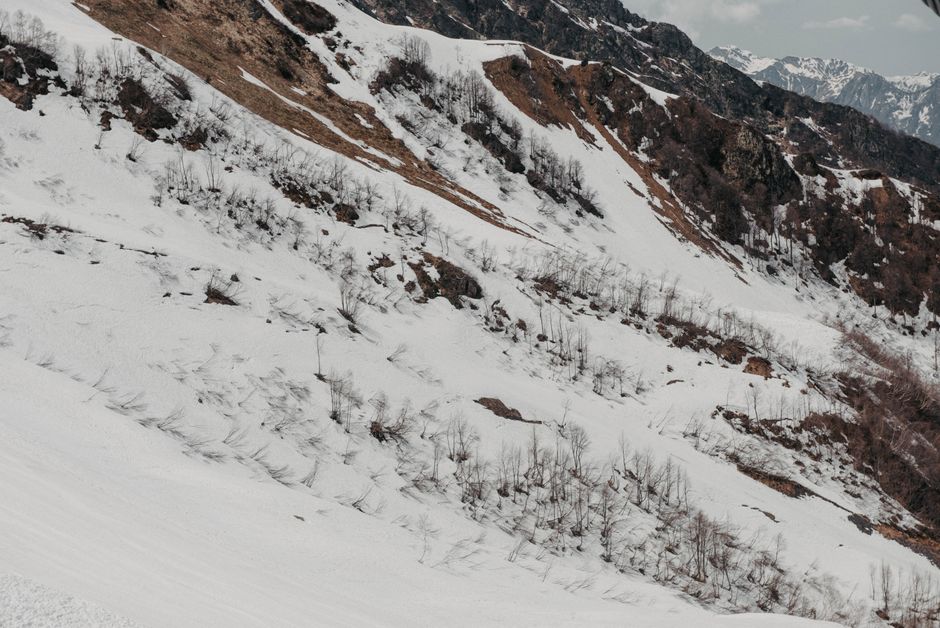

The most critical phase of the season occurred in February, which recorded 52 deaths. The week of February 16-22 was the deadliest of the winter, claiming 21 lives. During this period, repeated storm cycles essentially 'reset' the avalanche risk, keeping the snowpack in a state of constant, heightened danger. It was only by March that the pattern began to shift as the snowpack adjusted and the nature of the hazard transitioned toward spring-time wet-snow avalanches driven by solar radiation and warming temperatures.
Ultimately, the 2025-26 season serves as a stark reminder that the most dangerous conditions are often those that develop quietly at the start of the winter. Safety in the backcountry requires constant vigilance, even when surface conditions appear stable, as the most hazardous structures are often buried deep beneath the surface.