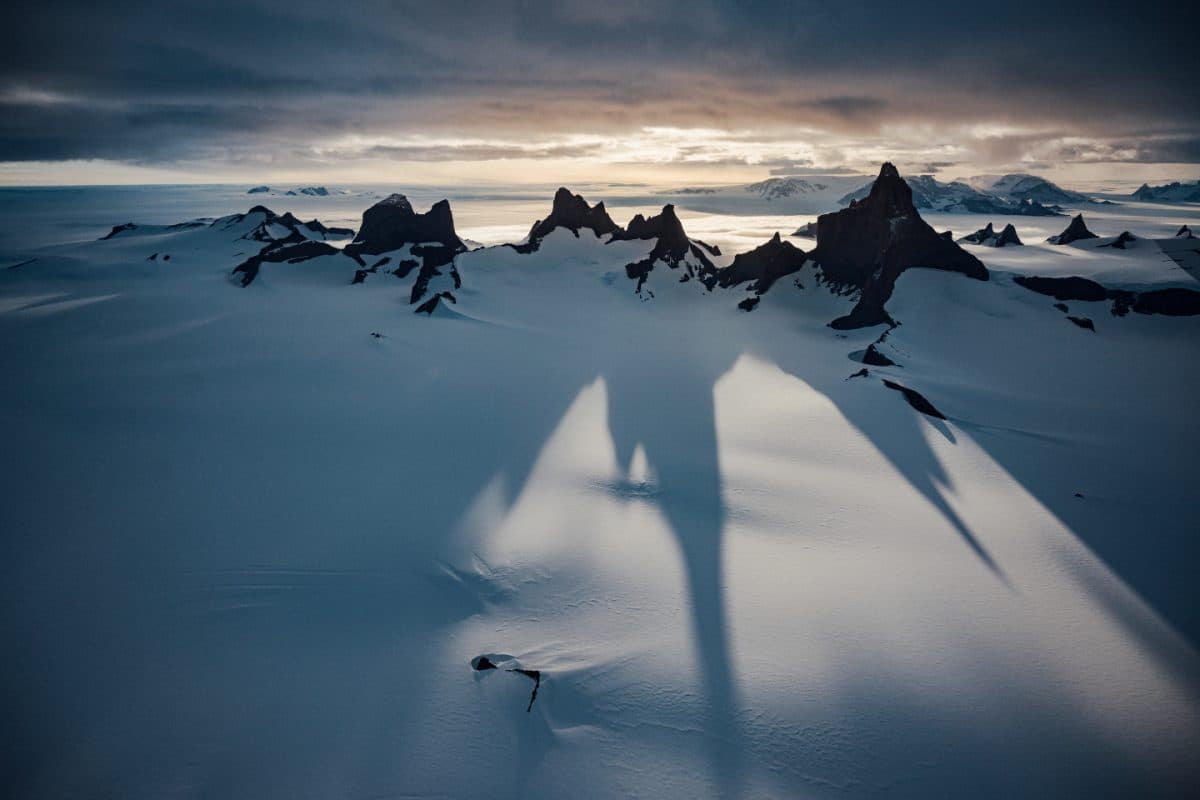
Antarctica, once known only as the mythical 'Terra Australis Incognita,' remains the world's most isolated frontier. Stretching across 5.4 million square miles, this frozen continent is 98% ice and serves as the largest reservoir of fresh water on Earth. While historically the domain of scientists and explorers, the seventh continent is now witnessing a shift in who gets to experience its vast, unforgiving landscapes.
According to reporting from SnowBrains, the region's human presence is typically defined by those conducting climate and biological research. However, the emergence of companies like White Desert has introduced a new paradigm: luxury tourism at the edge of the Earth. Founded by Patrick and Robyn Woodhead in 2005, the company was born from the couple's own experiences with long-distance kite-skiing expeditions, aiming to provide comfort in an environment where survival is usually the primary focus.
The logistics of accessing these remote sites are complex. Guests typically begin their journey with a five-hour flight from Cape Town, touching down on the Wolf’s Fang Runway—a 10,000-foot strip of naturally occurring blue ice. From there, travelers are transported via high-clearance 4x4 vehicles to one of several specialized outposts. These camps, such as the flagship 'Whichaway' and the space-inspired 'Echo Base,' offer amenities ranging from heated polar pods to saunas, providing a stark contrast to the surrounding ice fields.
For those seeking engagement with the environment, the company facilitates guided experiences such as ice climbing, fat-biking, and visiting Emperor Penguin colonies. These efforts are part of a broader, modern era of Antarctic exploration that seeks to balance human curiosity with the strict environmental protections established by the Antarctic Treaty of 1959. By prioritizing scientific cooperation and environmental stewardship, the continent continues to serve as a global hub for research, even as it opens its doors to a select group of modern-day adventurers.