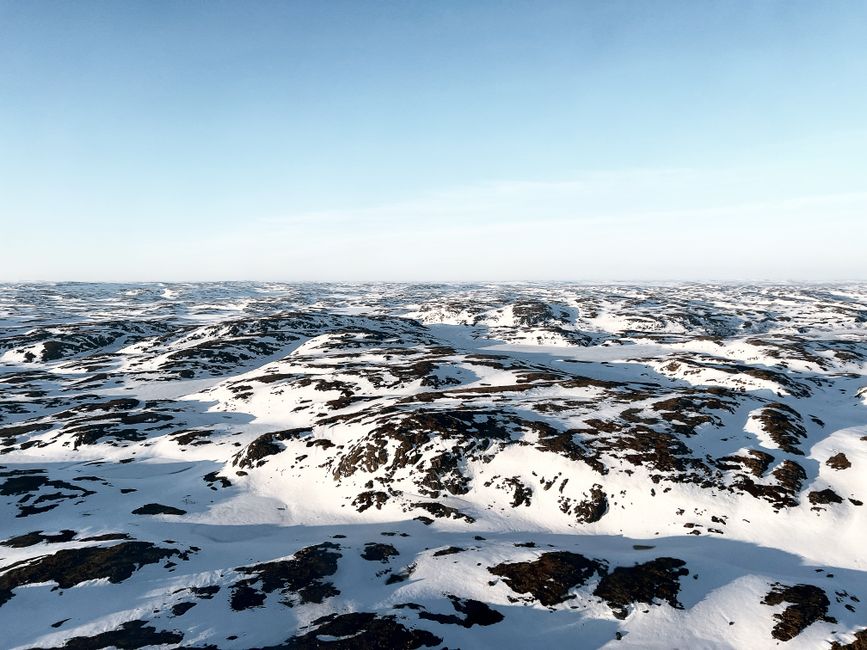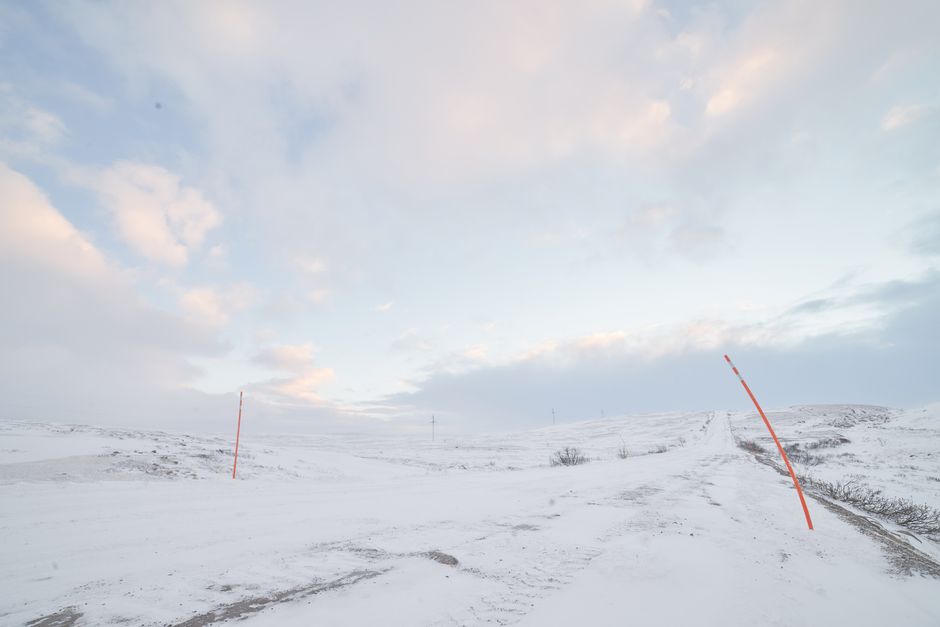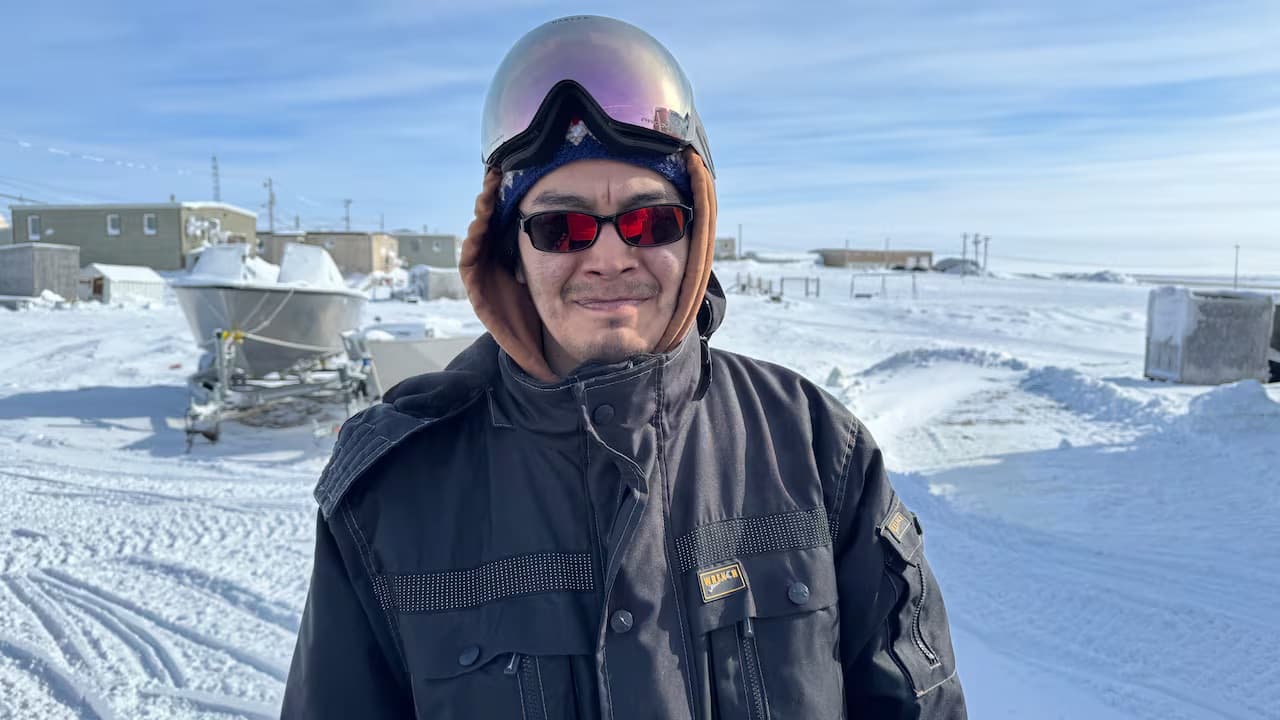
In an extraordinary tale of human endurance, Peter Qayutinuak Jr. of Taloyoak, Nunavut, managed to survive three days stranded in the unforgiving Arctic wilderness. According to reporting by CBC News, the ordeal began on April 7 when Qayutinuak was en route to Gjoa Haven to participate in a regional volleyball tournament. His snowmobile became immobilized in deep snowdrifts, forcing him to abandon the vehicle and attempt to reach civilization on foot during a severe blizzard.
Facing temperatures as low as -30°C and near-zero visibility, Qayutinuak faced a life-or-death situation. Remarkably, he emerged from the three-day exposure with no signs of frostbite. Qayutinuak credited his survival to traditional knowledge taught to him by his grandmother, which emphasized the importance of constant movement to maintain blood circulation. He explained to CBC News that he focused on keeping his extremities moving and using his body to shield himself from the biting wind, while limiting his rest to short naps to remain alert for the lights of the town.
The search effort was a massive undertaking involving the Royal Canadian Air Force. David Lavallee, a civilian public affairs officer, confirmed to CBC News that the rescue team utilized a cellular airborne sensor for search and rescue (CASSAR) to track a faint signal from Qayutinuak's mobile phone. Once identified, a Hercules aircraft from Winnipeg dropped a radio to the stranded man, allowing ground crews to coordinate a rescue through the ongoing storm.
Following his rescue and a brief period of recovery with his family, Qayutinuak demonstrated remarkable mental and physical resilience. He rejoined his teammates in Gjoa Haven just in time to compete. On April 19, his team secured the gold medal in the tournament. Qayutinuak’s message to others traveling through the tundra is simple: maintain a positive mindset and never stop moving.