As Canada faces increasingly volatile winter conditions, authorities are turning toward innovative technology to manage avalanche risks. According to a report by PlanetSKI, Parks Canada has been evaluating the use of unmanned aerial vehicles (UAVs)—specifically the SnowDart system developed by Aerial Vehicle Safety Solutions (AVSS)—to conduct avalanche control within Jasper National Park.
Historically, avalanche mitigation in Canada has relied on heavy-duty equipment. The Royal Canadian Horse Artillery has long utilized 105 mm howitzer guns to fire shells at mountain slopes, inducing controlled releases. Additionally, Parks Canada frequently employs helicopters to deploy explosives and maintains fixed remote trigger stations in critical zones. However, these methods are not without limitations, particularly regarding cost and accessibility.
The SnowDart system offers a surgical approach, utilizing a drone to transport an explosive device to a specific slope, where it is dropped and remotely detonated. Josh Ogden, co-founder of AVSS, describes the technology as a vital addition to the existing "toolbox" of safety measures. By reaching areas that are inaccessible to artillery or lacking permanent trigger infrastructure, drones could significantly enhance the safety of transport corridors.
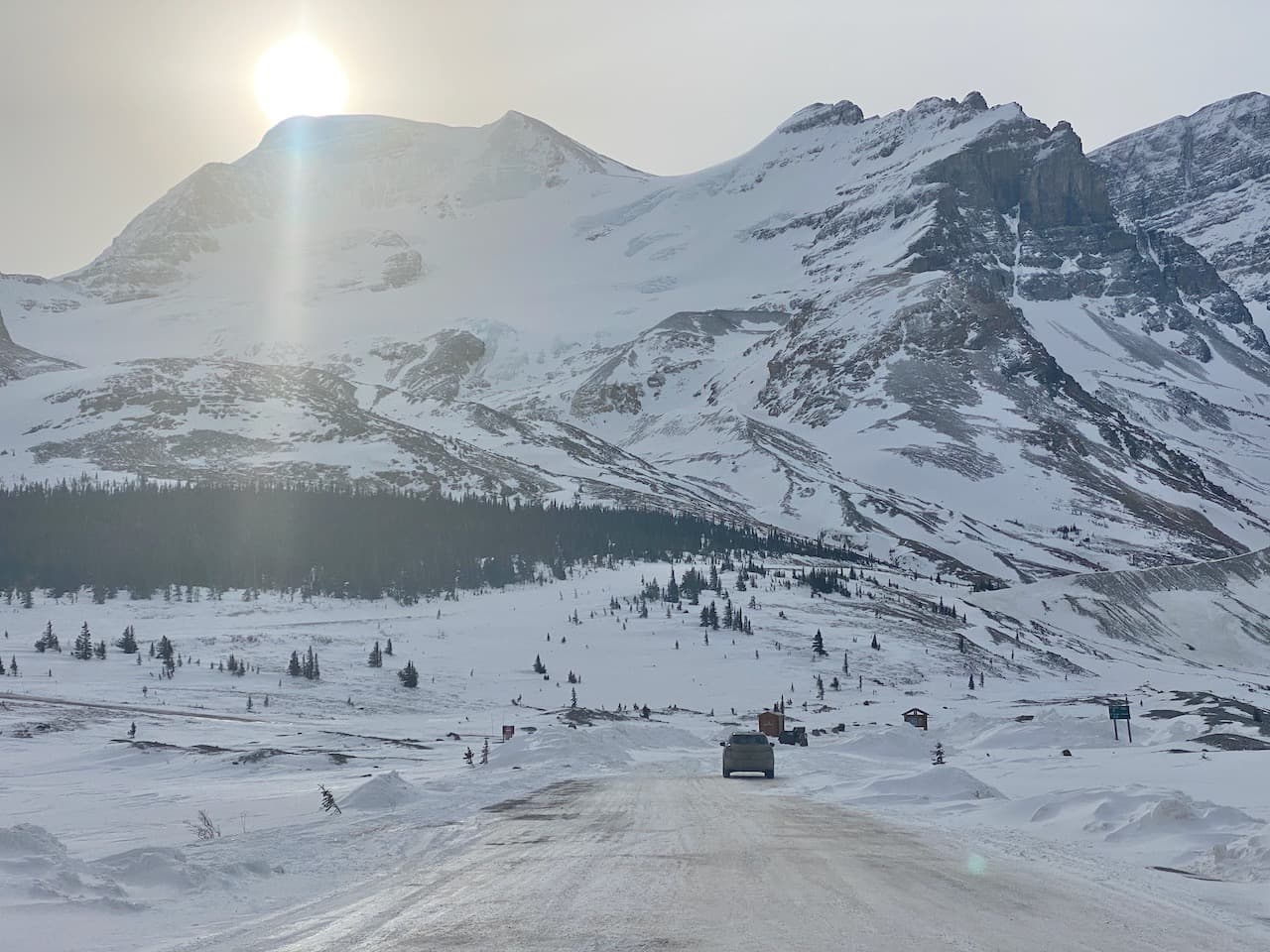
The necessity for such innovation was underscored during the recent winter season. The Icefields Parkway (Highway 93 North), a critical route connecting Lake Louise and Jasper, faced severe disruptions due to unprecedented snowfall. Parks Canada reported that the highway was closed for 22 days, marking a record duration of closure in recent memory. The extreme weather necessitated frequent avalanche control, pushing current operational capabilities to their limits.
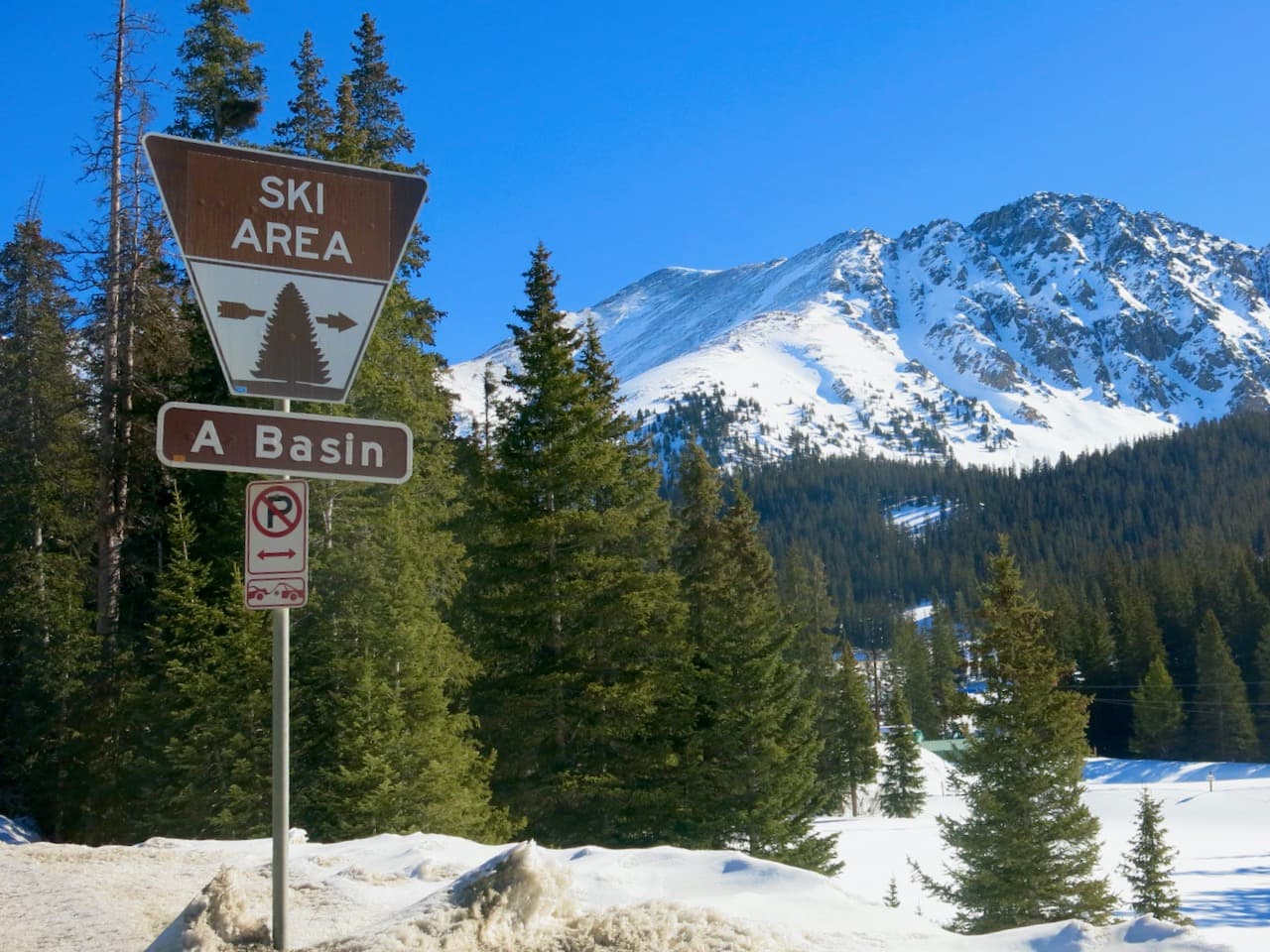
Despite the promise shown by the SnowDart system, officials emphasize that it is not a silver bullet. Deryl Kelly, a safety specialist with Parks Canada, noted that while drones will support risk management, they cannot replace traditional methods entirely, largely due to their sensitivity to poor weather conditions. Brian Rode, vice-president of the Marmot Basin ski resort, expressed optimism about the technology, noting that the industry is closely monitoring its development.
As testing continues into the next winter season, the integration of drone technology represents a shifting paradigm in mountain safety, balancing the need for efficiency with the realities of high-alpine environments.