The Dolomiti Superski, widely recognized as the world's largest lift-linked ski network, is currently navigating a significant legal challenge. According to reporting from SnowBrains, the consortium is under investigation by Italy’s competition authority, the Autorità Garante della Concorrenza e del Mercato, regarding allegations of price fixing and restricted market competition. The probe, which began in 2025, examines whether the unified pricing and sales policies across the network’s 12 regional operators violate both Italian and European Union competition laws.
In an effort to address these allegations, the consortium has put forward a €30 million compensation plan. This proposal covers three seasons: 2022-23, 2023-24, and 2024-25. The plan is divided into two distinct pools: €12 million allocated for cash refunds—calculated at roughly 20% of the original purchase—and €18 million set aside for vouchers, which offer a 30% credit toward future pass purchases. Accessing this compensation will not be automatic; skiers will be required to utilize a dedicated portal, expected to launch by October 15, 2026, where they must provide proof of purchase.
The proposal has drawn swift criticism from Assoutenti, an Italian consumer protection agency. Gabriele Melluso, president of the group, has characterized the offer as "purely symbolic" and insufficient. The primary concerns center on the "first come, first served" nature of the compensation pools, which risks leaving many eligible skiers uncompensated once the funds are depleted. Furthermore, consumer advocates argue that the plan fails to address the underlying issue of rising costs, noting that daily lift ticket prices have risen by over 28% since 2021.
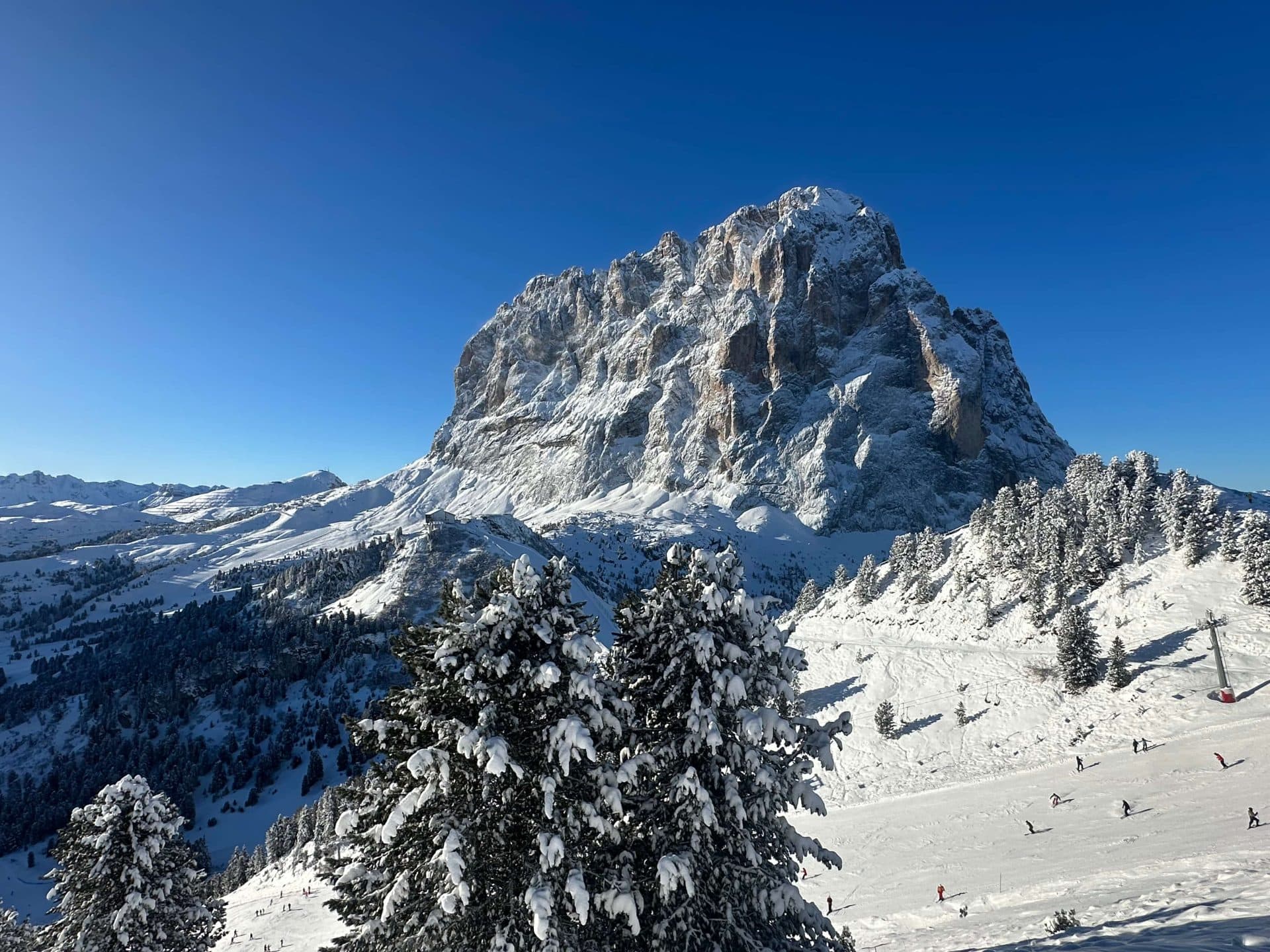
Dolomiti Superski covers an expansive footprint of over 1,200 square miles, featuring 450 lifts and 889 individual runs. The network is famous for the Sella Ronda, a 26-mile circuit that allows skiers to traverse four different resort areas in a single day. While the consortium has long marketed this integrated system as a model of regional efficiency, regulators are now questioning if that cooperation has crossed the line into anti-competitive behavior. As the case progresses, it serves as a critical test for how massive, interconnected ski networks manage pricing transparency and consumer rights across Europe.