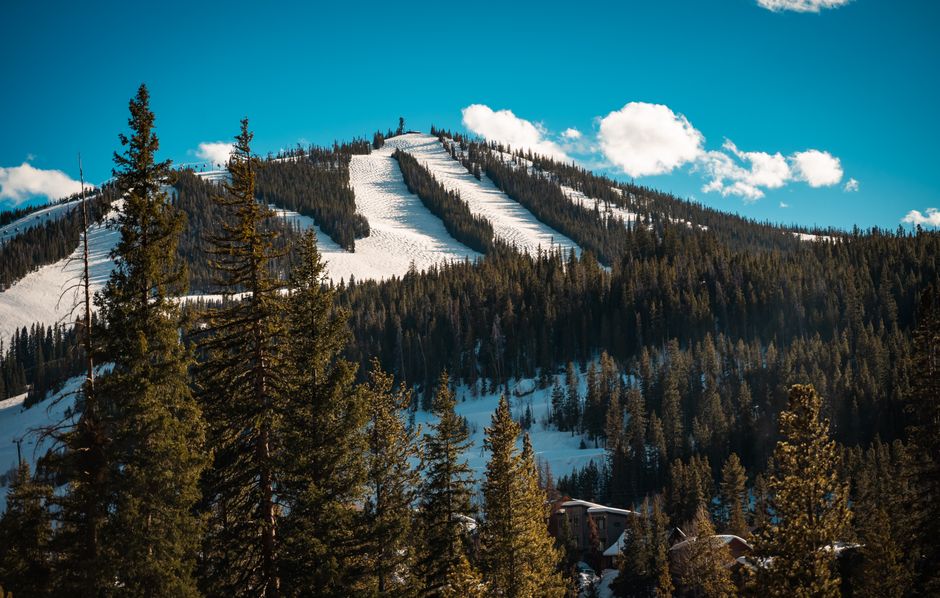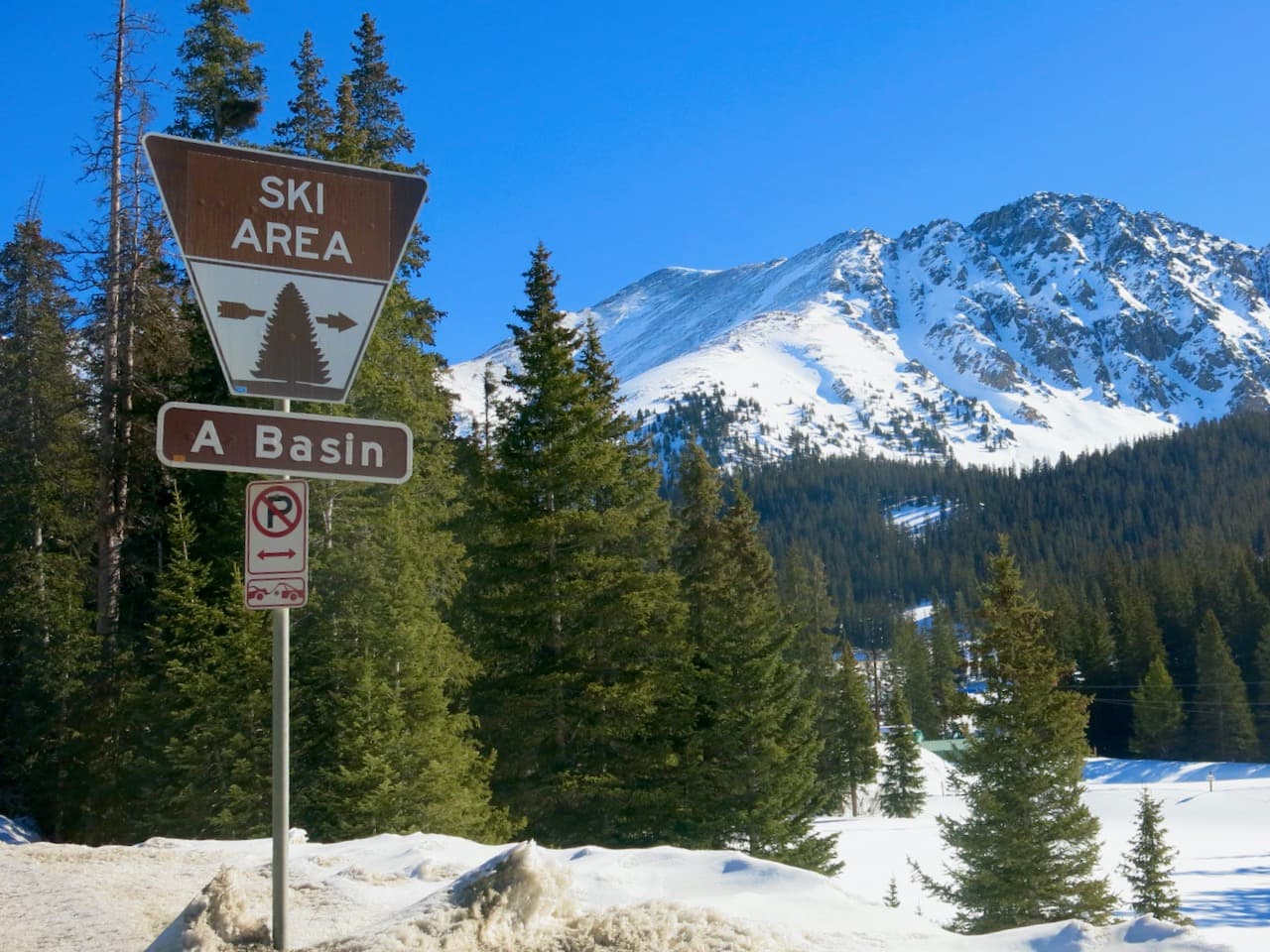
A sobering new report from the Colorado Fiscal Institute (CFI) suggests that the Centennial State faces an estimated $37 billion bill by 2050 due to the cascading effects of climate change. As Colorado grapples with a recent winter characterized by poor conditions and low snowpack, the economic reality of a warming climate is becoming impossible to ignore for both policy makers and the ski industry.
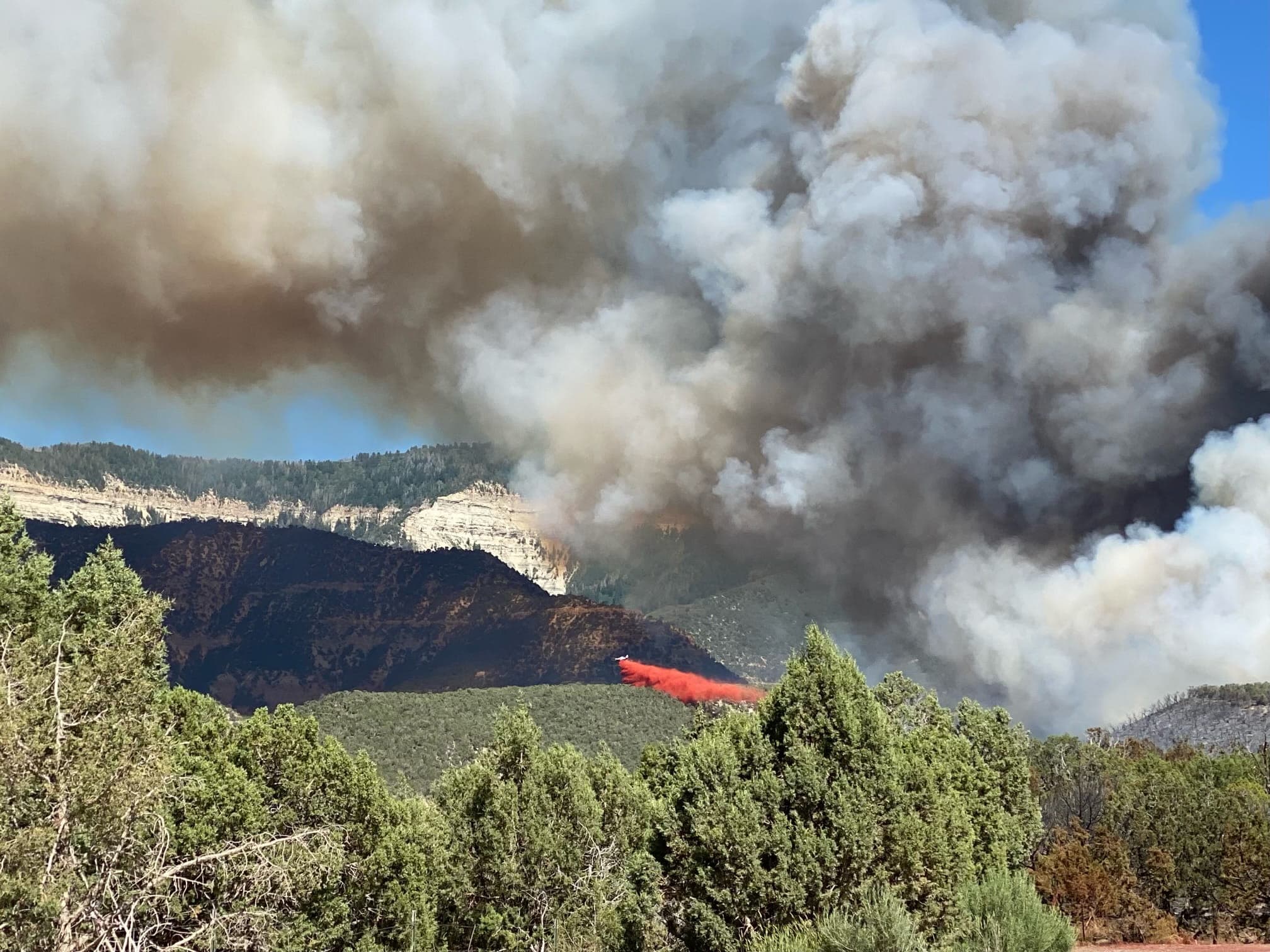
According to Pegah Jalali, an analyst at the CFI, the projected $33 to $37 billion cost covers a wide array of resilience needs, including health impacts, infrastructure damage, wildfire mitigation, and the loss of revenue in winter recreation. To put this figure into context, Colorado’s ski industry generates approximately $4.8 billion annually, meaning the potential climate-related costs are nearly eight times the size of the state’s ski sector revenue.
The report utilizes global emissions pathway models to forecast outcomes through 2050. These models highlight the volatility of the future, ranging from a 'medium-high' pathway with some emissions cuts to a 'high-end' worst-case scenario. The primary driver of these costs is extreme heat. Data from the Colorado Climate Center indicates that average annual temperatures in the state rose by 2.3 degrees between 1980 and 2022, with a further increase of 2.5°F to 5.5°F expected by mid-century.
These shifts are already manifesting in the mountains. Chris Miller, senior vice president for sustainability at Aspen, noted in an interview with The Colorado Sun that the resort has experienced a loss of over 30 days of winter since 1980. This trend is echoed by local tourism officials, such as Eliza Voss of ACRA, who emphasized that reliable snowfall is a critical factor for visitors choosing Colorado, which directly dictates the health of local businesses.
The financial impact is already appearing on balance sheets. Vail Resorts reported a net loss of $172.8 million in the first fiscal quarter of 2025, a setback attributed largely to limited terrain openings and low snowpack. Even with aggressive investment in snowmaking technology, resorts are finding it increasingly difficult to offset the impacts of rising temperatures. Beyond the ski hills, the CFI report warns of a significant human toll, estimating that extreme heat could contribute to up to 1,900 heat-related deaths across the state.