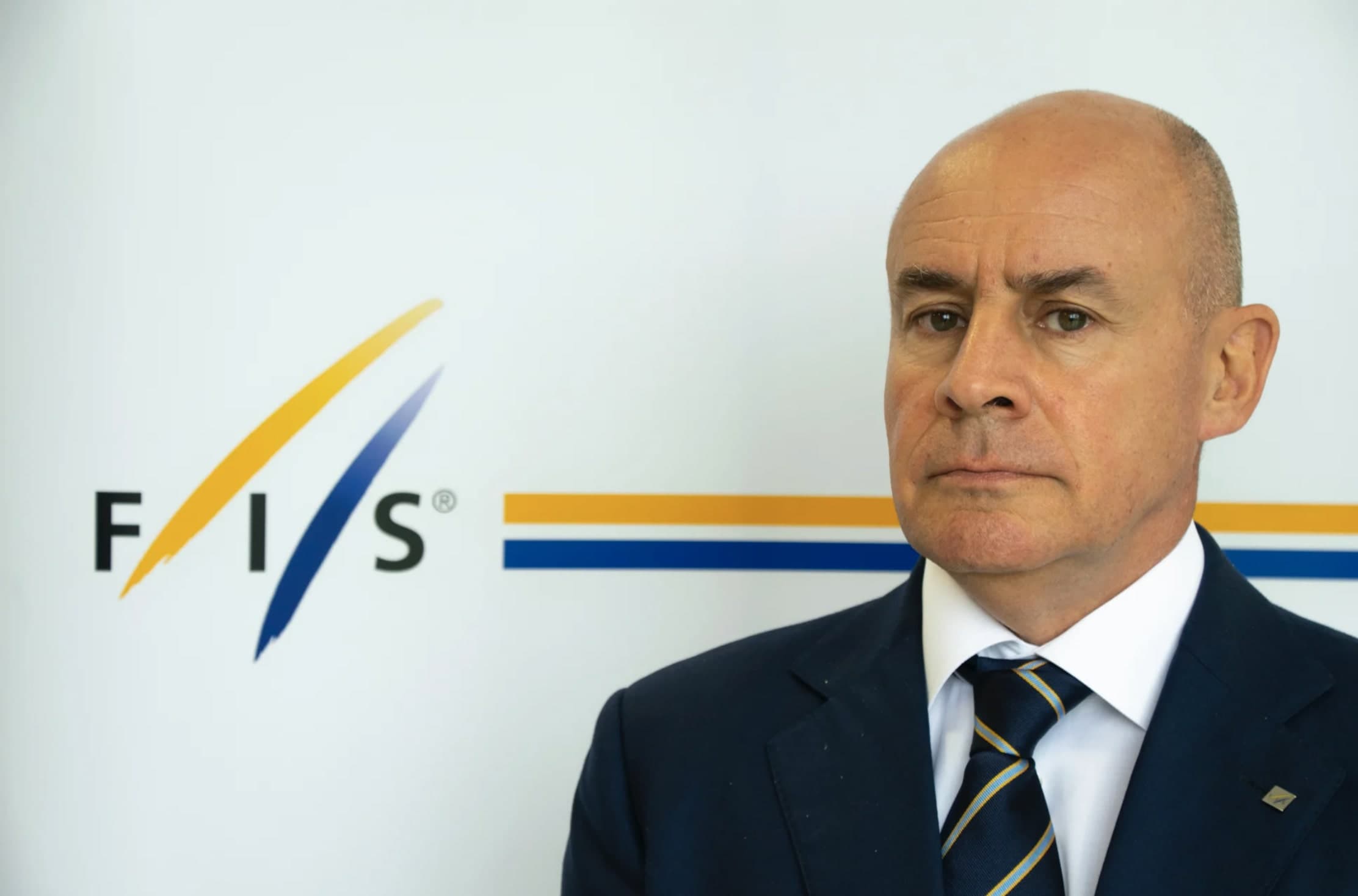
As the International Ski and Snowboard Federation (FIS) approaches its June 11 election in Belgrade, the political landscape has become increasingly volatile. Incumbent President Johan Eliasch, owner of HEAD, has officially entered the race for a third term. However, the path to his candidacy is unconventional: he has been nominated by the Georgian Ski Association, according to a list released by FIS on April 22.
This development follows reports from SnowBrains that both Great Britain and Sweden—the nations historically linked to Eliasch—declined to support his bid. The move has ignited immediate debate regarding FIS statutes, which require that a candidate hold a valid passport from the country nominating them. Whether Eliasch meets this residency or citizenship requirement through Georgia remains a point of intense speculation.
The current situation mirrors the friction observed during Eliasch’s initial rise to power in 2021. His first election was marked by significant unrest, with 56 of the 126 member associations staging a walkout in protest of the process. While prominent nations such as Austria, Switzerland, Germany, and Croatia eventually dropped a legal challenge at the Court of Arbitration for Sport (CAS), the underlying tension regarding his governance style persists.
Supporters of the President point to his aggressive modernization efforts, arguing that the sport requires a centralized commercial strategy to remain competitive globally. Conversely, critics argue that his top-down approach has alienated long-standing stakeholders. Recent controversy surrounding the selection of Azerbaijan as a headline sponsor for FIS Freestyle events highlights these fractures, leading to repercussions such as the withdrawal of Kazakhstan from hosting a Moguls World Cup.
The upcoming election features a crowded field of four challengers, including Dexter Paine (USA), Anna Harboe Falkenberg (Denmark), and Alexander Ospelt (Liechtenstein). While the race remains focused on the future of the federation, the primary point of contention for many observers is the legitimacy and optics of a sitting president seeking re-election through a federation with which he has no clear national connection.