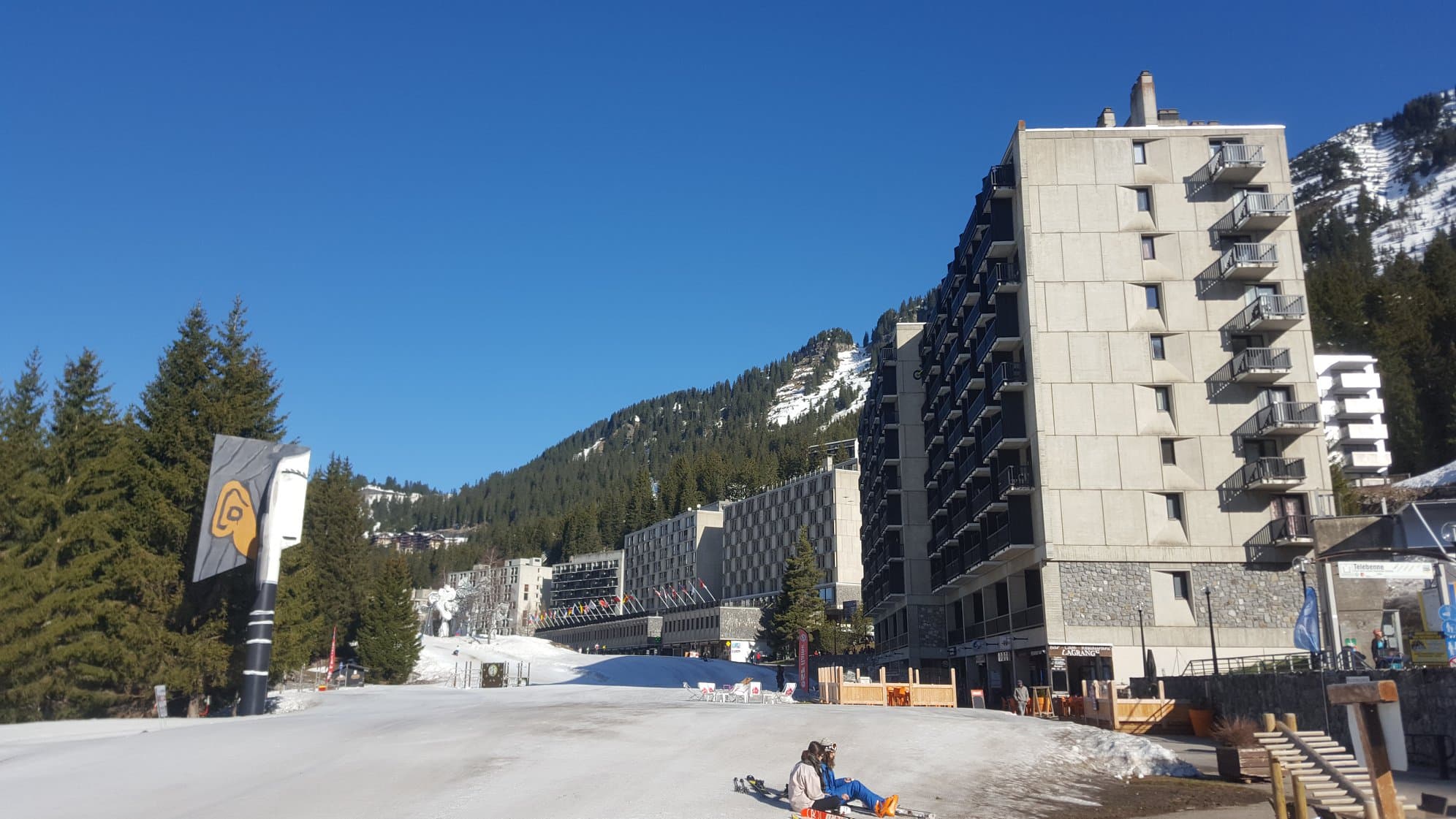
A judicial court in Bonneville, Haute-Savoie, has reached a verdict in the case of a fatal collision that occurred at the French ski resort of Flaine in 2022. According to reporting by PlanetSKI, a 43-year-old skier was found guilty of manslaughter following the death of a 5-year-old British girl, identified as Ophélie.
The incident took place on the Serpentine, a blue-rated slope. At the time of the collision, the young girl was participating in a group ski lesson. While the group was navigating the mountain, the child had fallen slightly behind the rest of the class when she was struck by the defendant, who was traveling at an estimated speed of 60km/h (37 mph). Despite immediate first aid administered by the defendant—who is a volunteer firefighter—and subsequent transport to Sallanches hospital, the child was pronounced dead.
In court, the defendant admitted that his speed was likely inappropriate for the conditions on that day. His legal counsel argued that he was an experienced skier and that the incident was a tragic, unintentional accident. Ultimately, the judge handed down a 12-month suspended sentence and ordered the payment of €165,000 in damages to the family. Attorneys for the family expressed significant distress regarding the four-year duration of the investigation, noting that the lengthy legal proceedings had severely compounded their grief.
The Serpentine slope has been identified as a site with a history of fatal accidents. In response to these dangers, resort authorities have since implemented changes to the terrain, including the installation of clearer signage and measures to improve visibility, aimed at encouraging skiers to reduce their speed.
This conviction has reignited broader industry conversations regarding safety protocols on the slopes. As resorts face increasing pressure to balance the freedom of the sport with public safety, stakeholders are debating whether more aggressive measures are necessary. Potential solutions discussed within the community include the introduction of speed limits, the use of 'piste police' to monitor behavior, mandatory breathalyzer testing, or the revocation of lift passes for those found skiing recklessly.