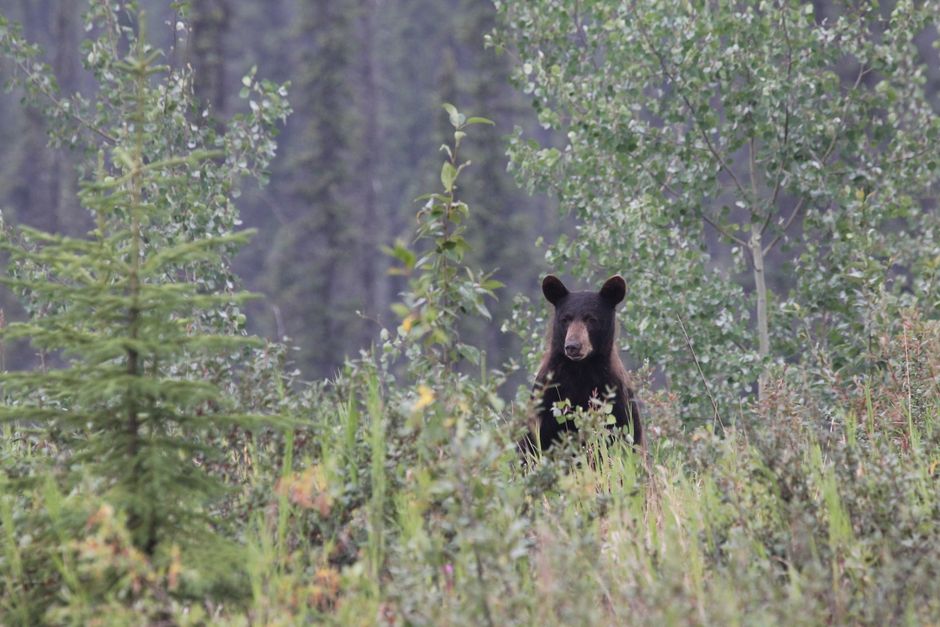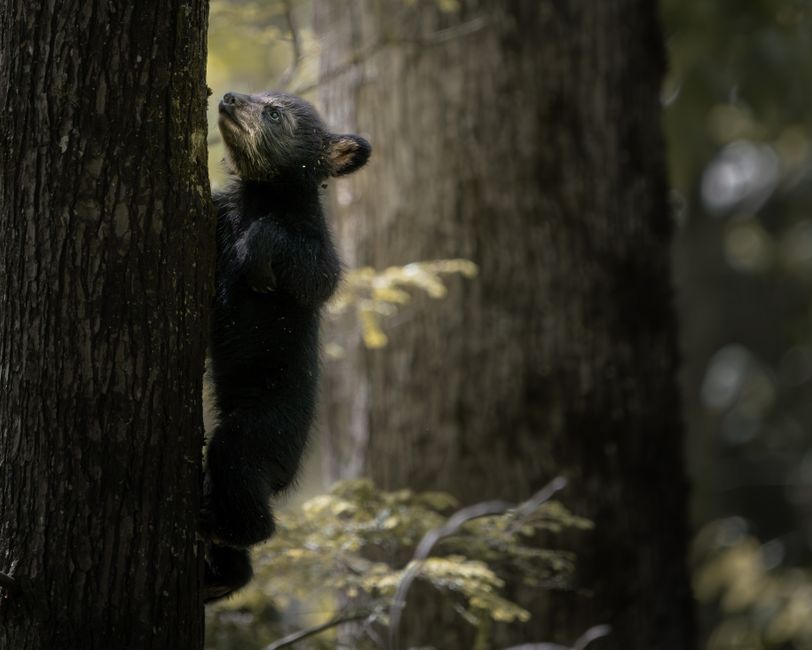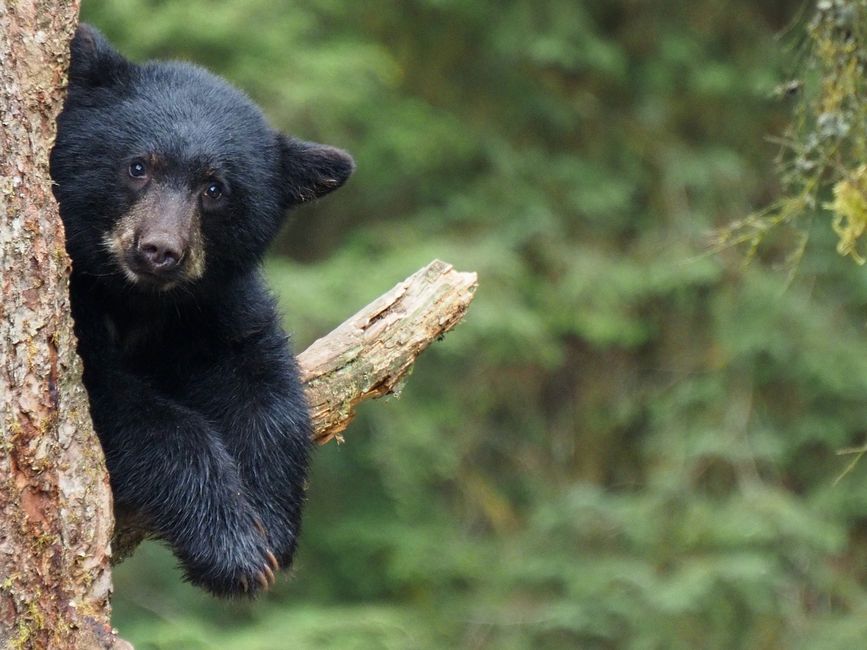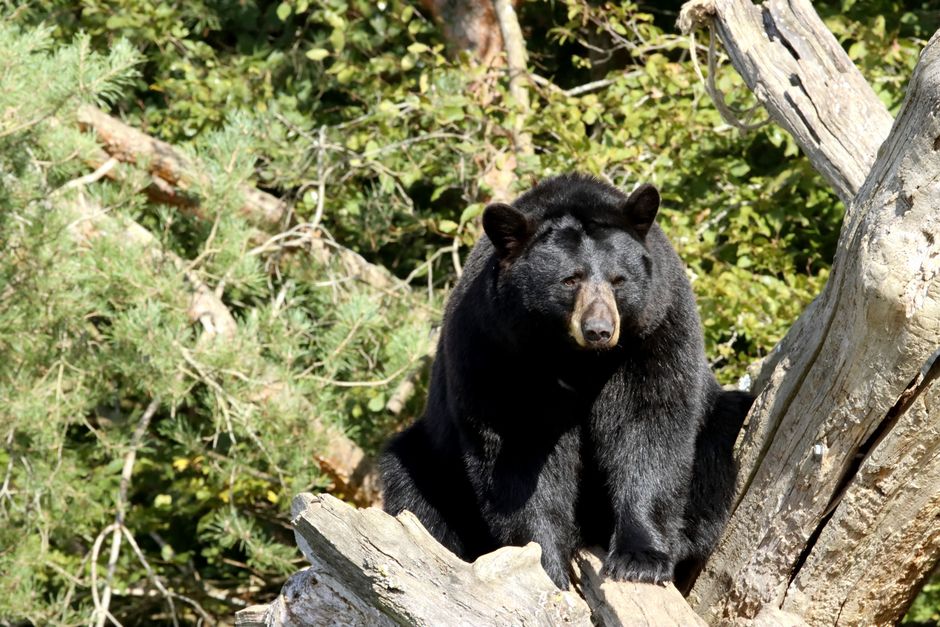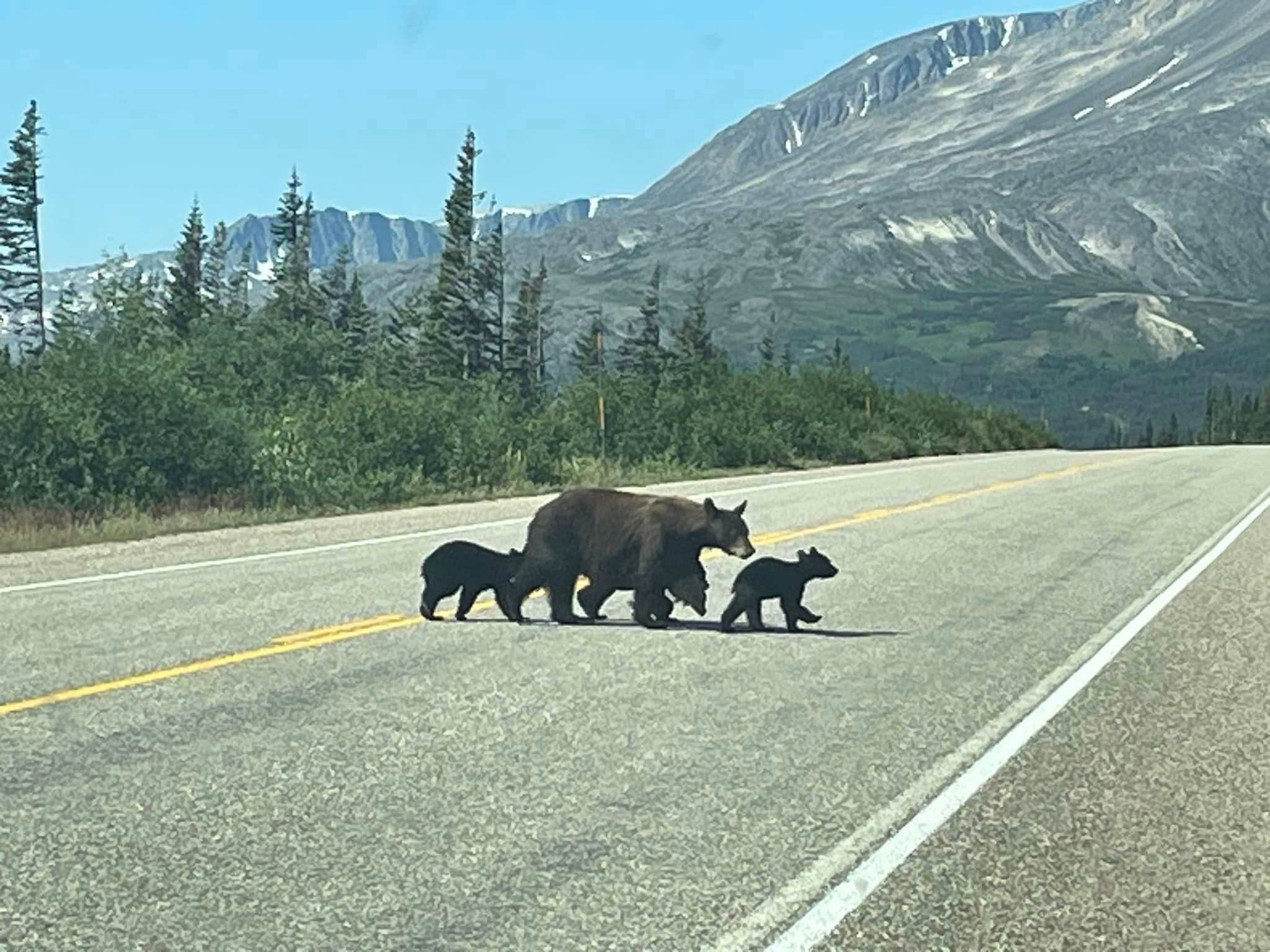
As the snowpack recedes in the Sierra Nevada and across the country, the arrival of spring signals more than just the end of the ski season—it marks the height of bear season. According to reporting from SnowBrains, bears are currently emerging from dens in a vulnerable state, facing a landscape where natural food sources like berries and grasses have yet to mature. This hunger drives them toward residential areas, setting the stage for increased human-bear interactions.
The Reality of Bear Conflicts
Bears are highly intelligent and adaptable creatures, yet they are increasingly forced to navigate fragmented habitats. While media headlines often paint bears as aggressive, wildlife experts emphasize that these animals are primarily motivated by survival. Data from a 2021 UC Davis report highlights a sobering reality: between 2016 and 2020, over 557 black bears were reported killed on California roads. Researchers note that this figure is likely conservative, as many collisions go unreported.
Shifting Patterns and Hibernation
The traditional concept of a four-month hibernation is becoming a relic of the past. Biologists with the California Department of Fish and Wildlife (CDFW) estimate that 10 to 15% of bears in the Tahoe basin now remain active throughout the winter. This shift is linked to milder winters and the consistent availability of human-provided food sources like trash and bird feeders, which can encourage bears to forgo hibernation entirely.
Regional Perspectives
The challenge of coexistence varies by region. In the Northeast and Mid-Atlantic, bear populations are on the rise, leading to a surge in conflict reports. Connecticut, for instance, logged over 3,000 conflicts in 2024. Meanwhile, in mountain hubs like Mammoth Lakes and Lake Tahoe, the focus has historically been on community-led coexistence programs. However, experts like Steve Searles, a veteran wildlife specialist, note that the efficacy of these programs often fluctuates based on city policy and the transient nature of mountain tourism.
How to Minimize Conflict
The consensus among wildlife agencies is clear: attractants are the primary driver of conflict. Whether you are a local or a visitor, securing garbage, removing bird feeders, and being mindful of food storage in vehicles or on porches are essential steps. Organizations like The Bear League remain vital resources for those looking to understand and mitigate their impact on local wildlife populations.