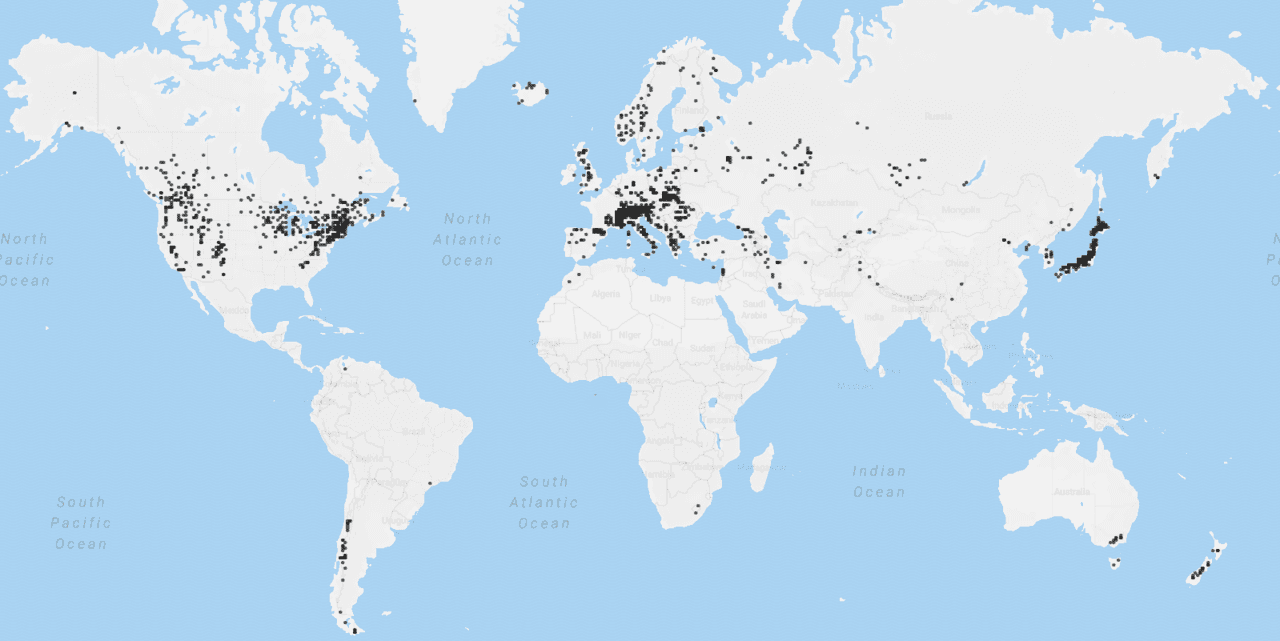
When looking at a global map of ski resorts, the distribution reveals a compelling story about the intersection of climate, culture, and economic development. According to insights shared by SnowBrains, there are more than 6,000 ski resorts across the globe. While many enthusiasts may feel they have seen a significant portion of the mountain world, the vast majority of skiers and snowboarders only experience a tiny fraction of what is available.
Geographic Distribution and Climate
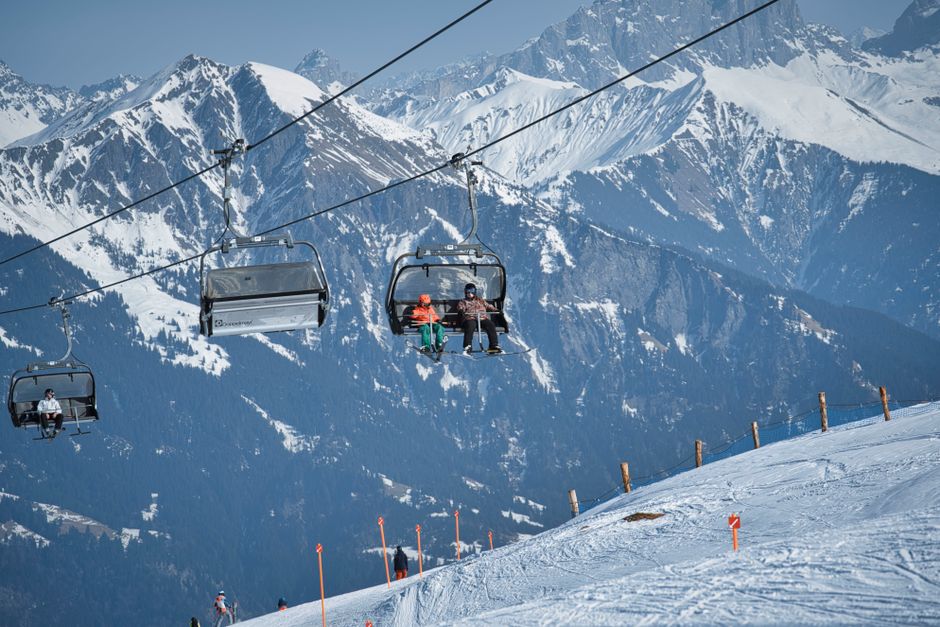
Ski resorts are found on every continent with the notable exception of Antarctica. As one might expect, the highest density of resorts is located in developed nations. These areas are generally positioned at higher latitudes in both the Northern and Southern Hemispheres, allowing for the colder temperatures necessary for reliable snow cover. While Africa hosts a few ski areas, the global map is dominated by clusters in Europe, Japan, and the Northeastern United States.
It is important to note that not all high-altitude locations remain viable for skiing. For instance, Bolivia once hosted the world's highest elevation ski area at Chacaltaya, situated at nearly 18,000 feet. However, due to severe glacial retreat, that resort is now defunct, serving as a stark reminder of how climate change impacts the geography of winter sports.
Clustering Patterns
The concentration of ski infrastructure varies significantly by region:
- High Concentration: Europe, Japan, and the Northeastern United States lead the way in density.
- Moderate Concentration: The Western and Midwest United States, Western and Southeastern Canada, the Andes in South America, and the Scandinavian nations of Norway and Sweden feature significant but more spread-out resort networks.
- New Zealand: Also ranks as a moderate cluster, providing key terrain in the Southern Hemisphere.

The Extremes of the Ski World
The global ski map reaches some fascinating extremes. The most northern point for lift-served skiing is Tromsø Alpinpark in Norway, while the southern extreme is held by Centro de Actividades Invernales Ushuaia Blanca in Argentina. In terms of sheer scale, France’s Les 3 Vallées dominates with a massive 25,916 acres of terrain. Conversely, the smallest resorts, such as the Sawkill Family Ski Center in New York, prove that skiing doesn't always require massive vertical rise—in that case, just 70 feet—to provide a local community experience.
Ultimately, while most of the planet lacks formal ski resort infrastructure, the existing network highlights a unique geography where humans have adapted to the slopes. Whether you are navigating the expansive terrain of the French Alps or a small local hill, these resorts represent a shared global culture of mountain recreation.