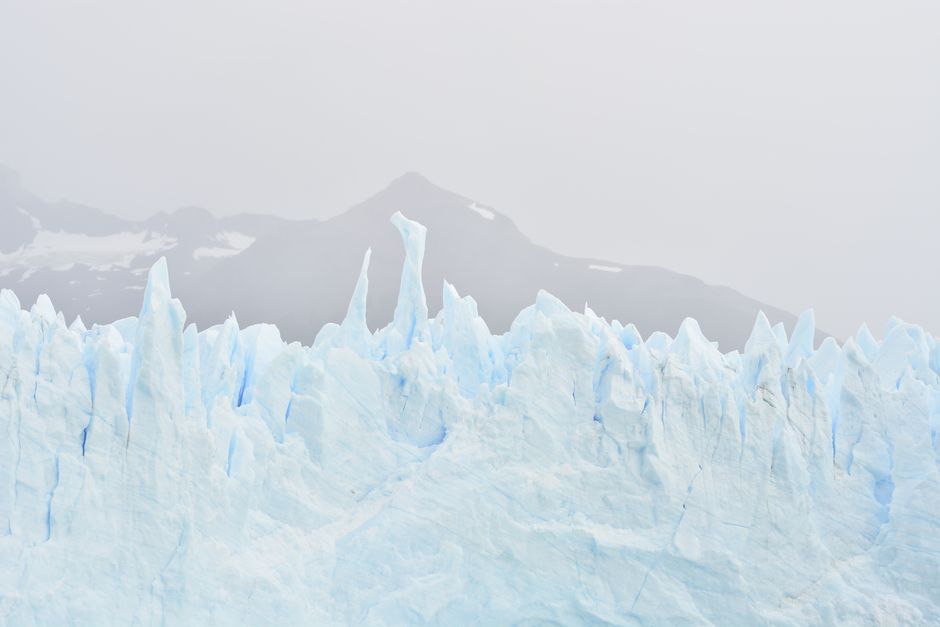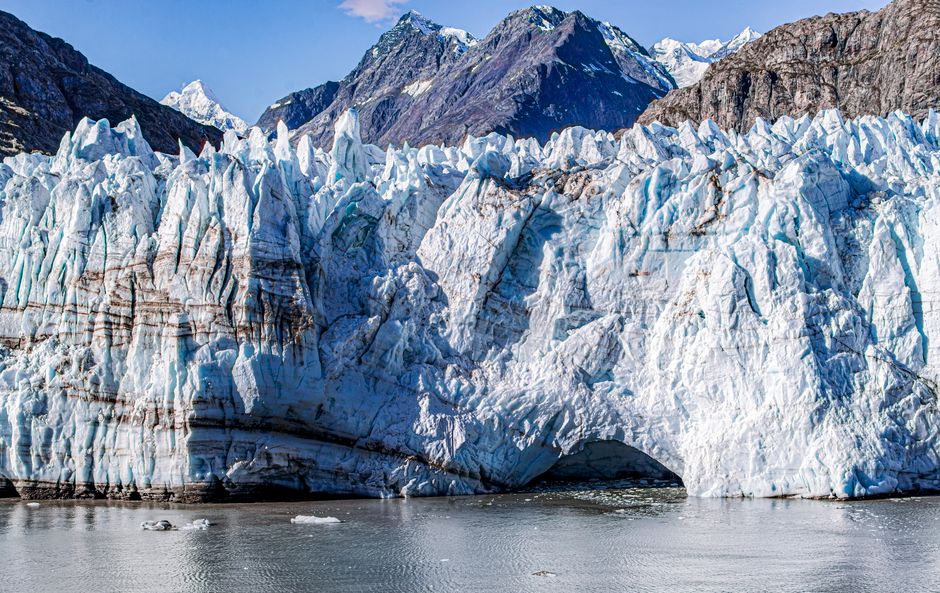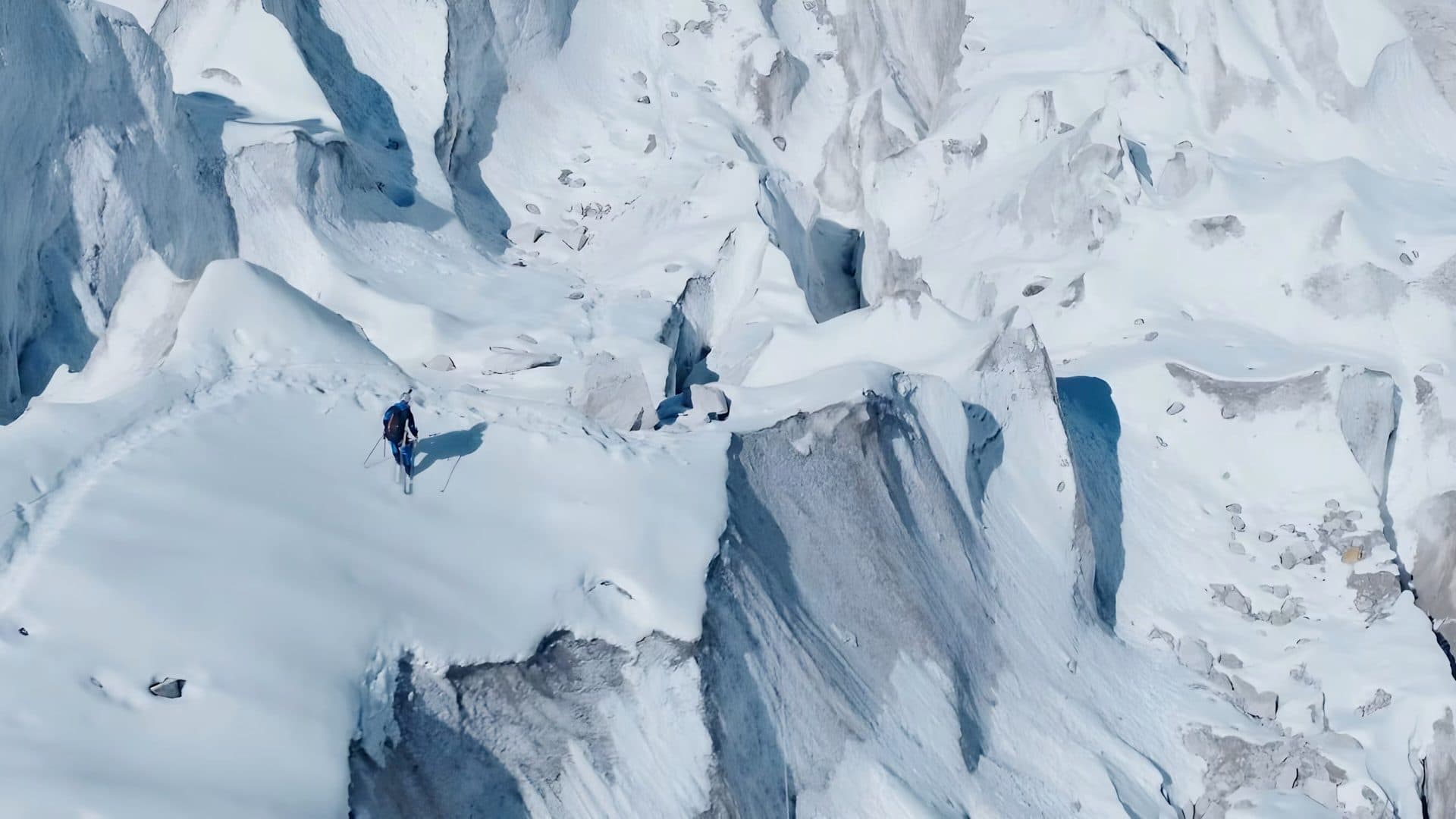
The start of the spring climbing season on Mount Everest is facing significant logistical hurdles. According to reports from SnowBrains, a 100-foot-tall serac—a precarious tower of glacial ice—has blocked the primary route through the Khumbu Icefall, one of the most dangerous stretches on the South Col path.
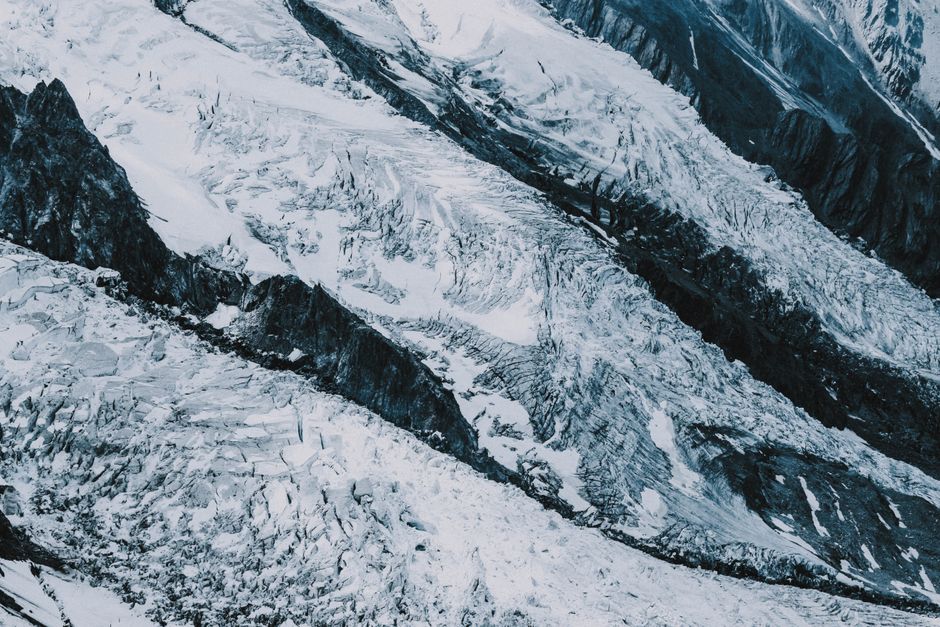
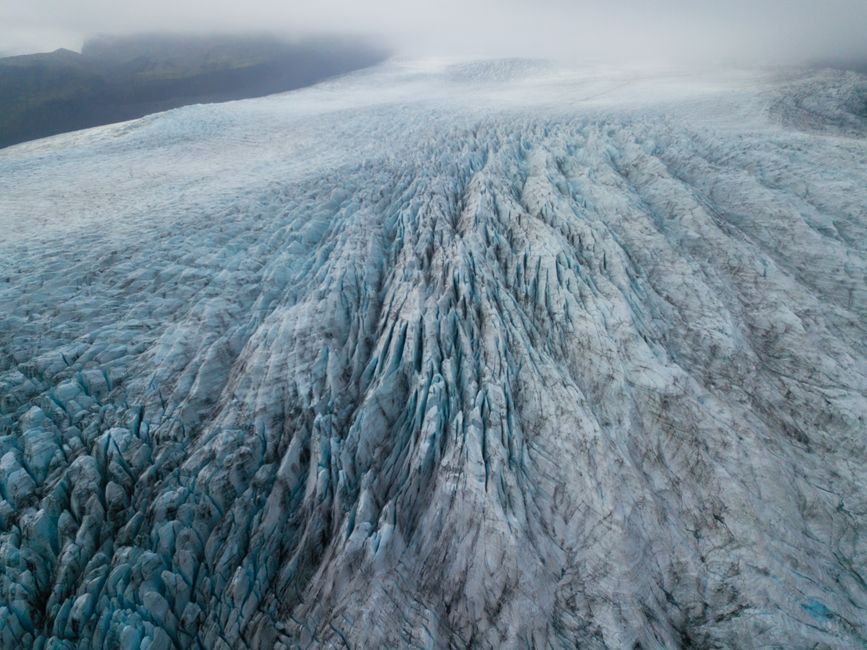
The Khumbu Icefall is a dynamic, shifting landscape of crevasses and ice blocks. Each spring, a specialized team known as the 'Icefall Doctors' works to install ladders and fixed ropes to create a safe passage for commercial expeditions. Typically, this work is completed by mid-April, but the current obstruction has brought progress to a standstill.
Ang Sarki Sherpa, one of the Icefall Doctors, informed the BBC that the team spent four days searching for an alternative path around the massive ice tower, but found no viable options. The structure is considered too unstable to climb directly due to the high risk of a spontaneous collapse. Teams are now monitoring the situation, hoping for the remainder of the serac to break apart naturally. As of April 22, the Himalayan Times reported that a portion of the ice had already collapsed, potentially signaling that the remaining obstacle may soon become passable.
While human crews handle the route work, technology is playing an increasingly vital role on the mountain. For the second consecutive season, cargo drones are being utilized to transport gear from Base Camp to Camp 1. These units, capable of carrying 30 pounds of equipment including ropes and ladders, help reduce the number of dangerous trips Sherpas must make through the icefall. Airlift Technologies has expanded its operational scope to include the transport of oxygen cylinders and the removal of waste from higher camps.
The instability of the Khumbu Icefall serves as a stark reminder of the mountain's volatile nature. Even with modern logistical support and drone scouting—similar to the techniques used by Polish skier Andrzej Bargiel during his historic, oxygen-free descent last fall—Everest remains an environment where natural geological processes dictate the pace of human activity. For now, climbers and support crews must wait for the mountain to clear its own path.