A legislative proposal currently moving through the North Carolina House of Representatives aims to reshape the legal landscape for the state's ski industry. As reported by WUNC News on April 28, the bill seeks to address both operational security and the financial liability of mountain resorts, sparking a heated debate between industry advocates and consumer rights proponents.
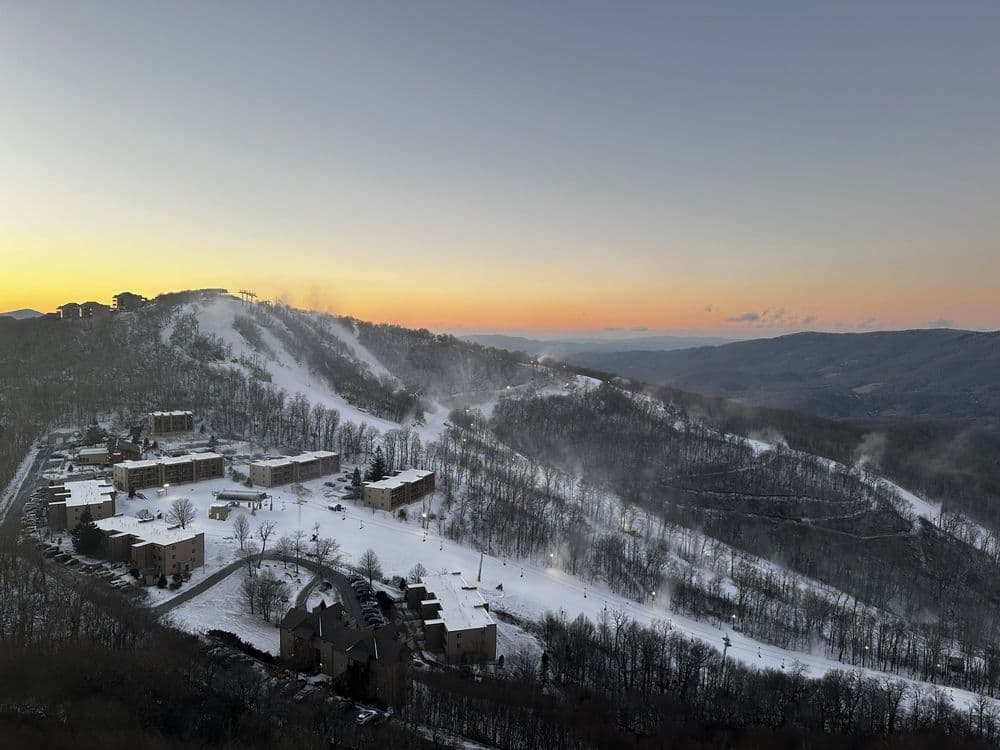
The legislation was introduced in the House judiciary committee at the request of the ski industry. Representative Dudley Greene, who represents Avery County—home to prominent resorts like Sugar Mountain and Beech Mountain—stated that the bill is designed to mirror existing safety frameworks in states such as Colorado and West Virginia. Central to the proposal is the classification of "misuse of a ski pass" as a Class 1 misdemeanor. This would apply to individuals caught using stolen or unauthorized tickets, trespassing on private resort property, or fleeing the scene of a collision on the slopes.
Beyond criminalizing pass fraud, the bill introduces significant civil liability reforms. It proposes a $1 million cap on total damages a skier can recover from a resort in the event of an injury, alongside a one-year statute of limitations for filing such claims. Proponents argue these measures are essential to stabilizing insurance premiums for local operators, ensuring that resorts remain financially viable in an increasingly litigious environment.
However, the proposal has encountered significant resistance. Representative Deb Butler has emerged as a vocal critic, arguing that the bill serves as a shield for corporate negligence rather than a genuine safety initiative. Butler emphasized that North Carolina already maintains some of the most stringent liability laws in the country. Because the state adheres to the doctrine of "pure contributory negligence," a claimant can be barred from recovering any damages if they are found even 1% at fault for an accident. Critics contend that adding a $1 million damage cap on top of these already restrictive laws creates an environment where resorts face minimal accountability for their actions.
As the debate intensifies, committee chair Representative Sarah Stevens has requested further analysis to compare the proposed protections against those afforded to other high-risk recreational sectors in North Carolina. The bill awaits further review, with a committee vote potentially arriving later this week. Should it pass the committee level, the legislation will head to the House floor for a final vote.