For decades, avalanche researchers have debated a fundamental question in snow mechanics: does the weight of a growing snowpack stabilize the weak layers beneath it, or does it push them toward failure? According to a recent study conducted by the Institute for Snow and Avalanche Research (SLF) in Switzerland and published in Geophysical Research Letters, the answer is now clear: additional pressure makes the snowpack more susceptible to avalanches.
The research, as reported by PlanetSKI, serves to resolve a conflict between two opposing theories that have dominated avalanche science since the 1970s. The first theory suggested that increased pressure from above required higher shear forces to trigger a fracture, theoretically acting as a stabilizer. The second theory posited that this same pressure brings a fragile layer closer to its breaking point, meaning less force is required to initiate a slide. The SLF experiments provide definitive evidence supporting the latter.
Experimental Methodology
To reach these conclusions, researchers led by PhD student Jakob Schöttner analyzed 63 natural snow samples collected from the Davos region in Graubünden. The samples were specifically focused on surface frost—a common culprit for weak layer formation. The team utilized a specialized apparatus designed to simulate the complex forces present on a mountain slope, specifically measuring the interaction between vertical normal force and parallel shear force.
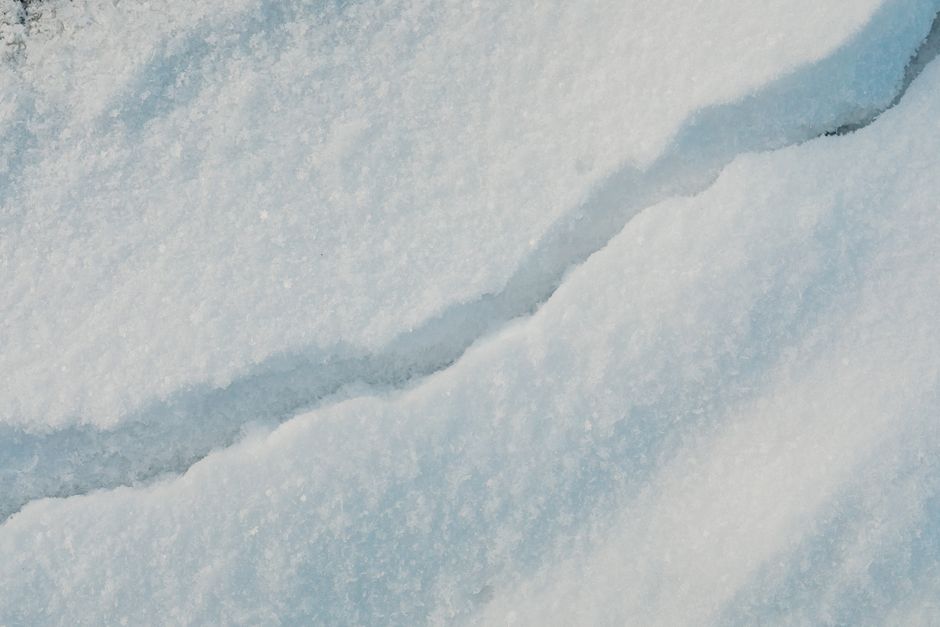
By utilizing high-speed camera technology, the researchers were able to document the exact moment of structural failure within the snowpack. Schöttner’s findings emphasize that pressure does not act as a stabilizing agent; instead, the combination of vertical and parallel forces works in tandem to cause the weak layer to collapse.


Implications for Backcountry Safety
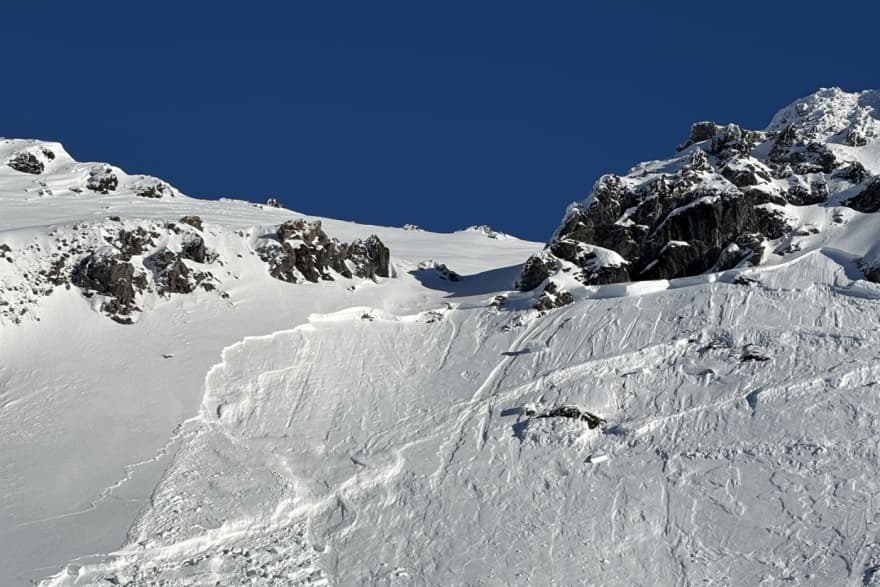
This discovery has significant implications for how we understand slab avalanches, which are frequently triggered by the failure of these buried weak layers. By refining our understanding of how these layers react to load, avalanche forecasters may be able to develop more accurate models for predicting instability. While the study is a scientific advancement, it reinforces the importance of caution in the backcountry, particularly when observing the rapid accumulation of new snow on top of existing weak layers.