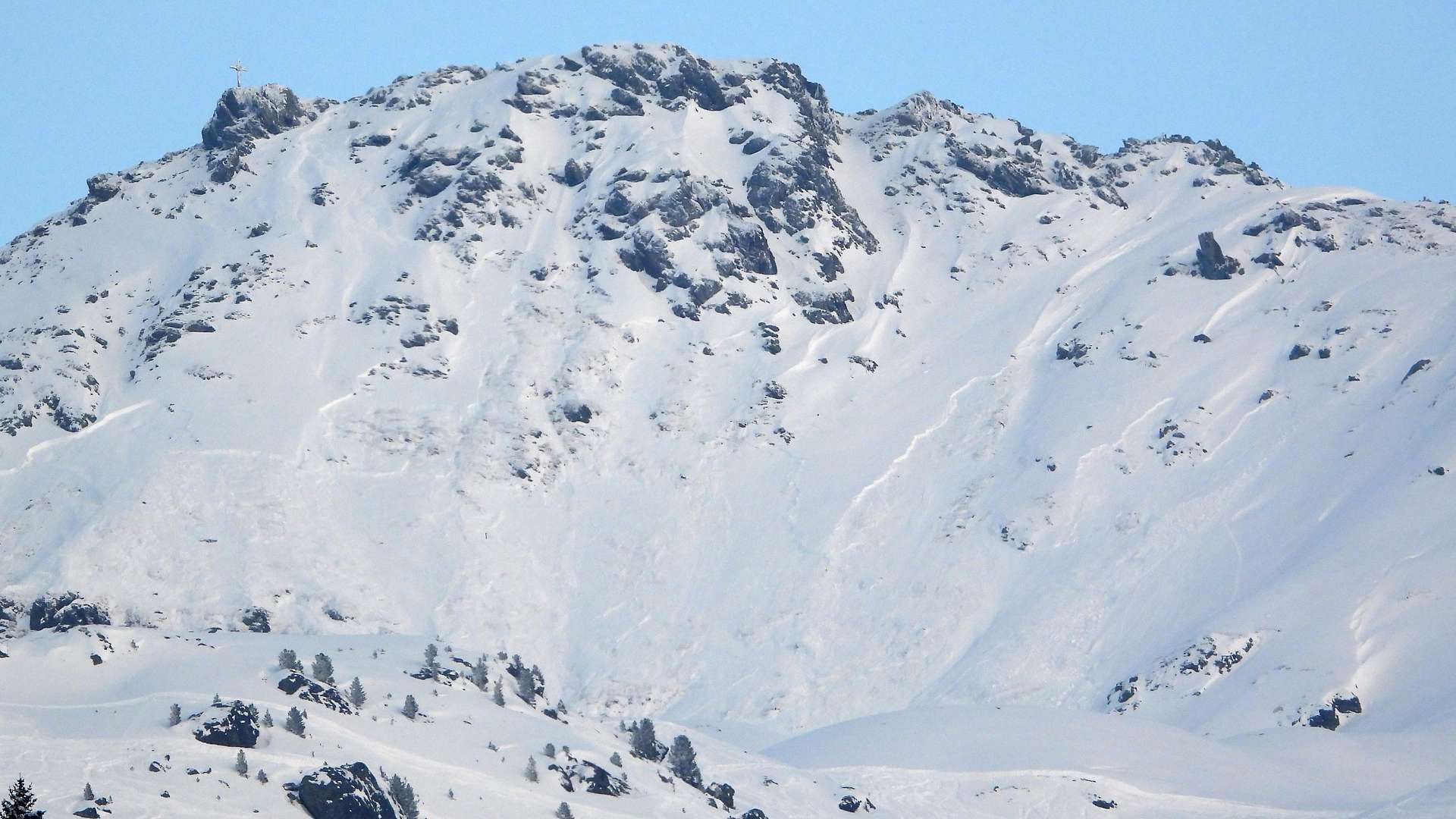
The 2025-26 winter season in the Alpine Euregio region—encompassing Tyrol, South Tyrol, and Trentino—has left the mountaineering community in a state of reflection. According to data reported by SnowBrains, the season began with unseasonably mild temperatures and thin snow cover, creating a deceptive sense of security that quickly evaporated as winter progressed.
By May 2, 2026, the final tally for the region stood at 40 deaths and 34 injuries across 62 recorded avalanche incidents. This represents a significant deviation from the previous winter, where only 11 fatalities were reported across the same territory. This regional tragedy mirrored a broader European trend, where total avalanche deaths reached 146, a figure more than double the previous year's total and 40% higher than the 20-year average.
The Role of the 'Altschneeproblem'
Experts, including Patrick Nairz of the Tyrol avalanche warning service, attribute the volatility to a classic, dangerous snowpack structure. The initial lack of snow created an unstable foundation, known as the Altschneeproblem or "old snow problem." When heavy storms arrived in January and February, the new snow load failed to bond with the fragile base, leading to persistent instability that lasted for months.
The intensity of the season is reflected in the danger ratings. The region experienced 19 days of level 4 "high" danger, including a 10-day stretch in February. Furthermore, from late January through early March, the region remained at a level 3 "considerable" danger for 32 consecutive days.


The Forecasting Paradox
Perhaps the most challenging aspect of this season is the data regarding public engagement. The Lawinen.report website recorded 9.1 million visits, a 60% increase from the prior year. This suggests that backcountry travelers were not ignoring forecasts; rather, they were actively seeking them out.
The discrepancy between 9.1 million successful information checks and 40 fatalities points to a critical "interpretation gap." While the Euregio bulletin is considered a world-class resource, the data suggests that knowing the danger level is not the same as managing risk on a specific slope. Persistent weak layers, such as those seen this season, can mask instability, making it difficult for even experienced skiers to identify danger in the field, even when the forecast is clear.
As the industry moves forward, experts suggest that the solution lies beyond better forecasting technology. Future safety efforts must focus on bridging the gap between hazard awareness and practical, on-the-ground terrain management, emphasizing education on how to interpret regional bulletins in the context of local, site-specific conditions.