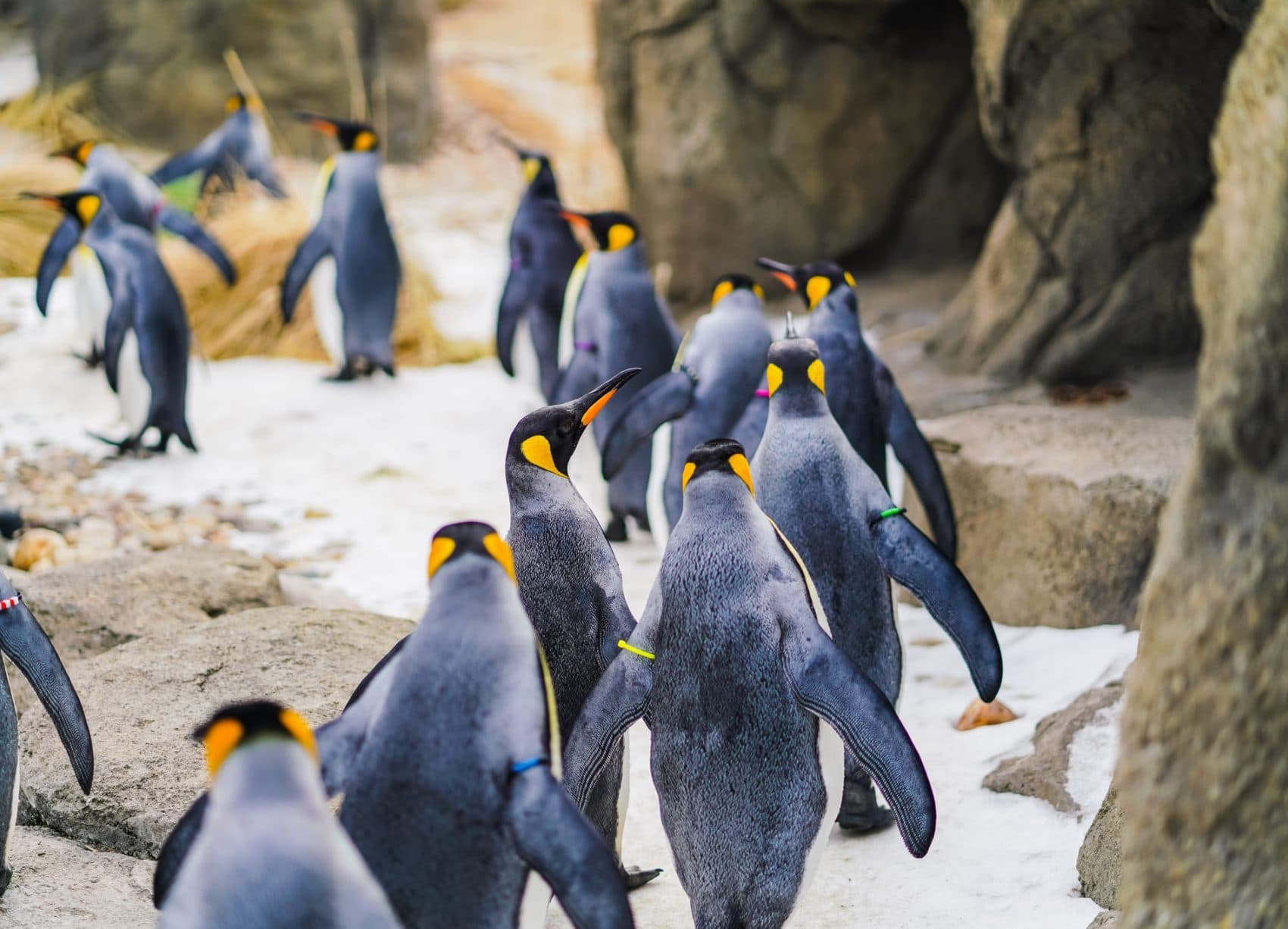
When a viral social media post from the White House in January 2026 featured a penguin in Greenland with the caption “Embrace the penguin,” it sparked more than just political discourse. The image inadvertently amplified a persistent geographic myth: that penguins are native to the Arctic. As any biologist or seasoned traveler in the Southern Hemisphere can confirm, penguins are strictly creatures of the south, and their evolutionary history is far more complex than their current icy reputation suggests.
The Australian and New Zealand Connection
Research published in the Proceedings of the National Academy of Sciences (PNAS) in August 2020 by the University of California, Berkeley, officially debunked the idea that penguins began as polar specialists. By conducting genomic analysis on blood and tissue samples from 18 distinct penguin species, scientists successfully reconstructed the evolutionary timeline of the bird.
The study concluded that modern penguins likely first emerged roughly 22 million years ago. Rather than starting in the freezing conditions of Antarctica, these early ancestors lived in the temperate marine environments of Australia and New Zealand. Over millions of years, these populations gradually migrated southward, drawn by the rich food resources available in the nutrient-dense waters of the Southern Ocean.

Climate and Adaptation
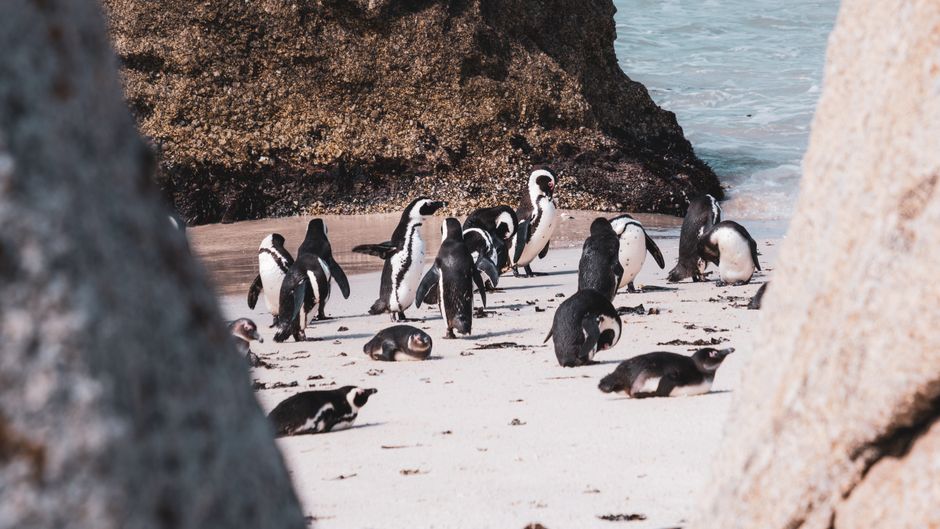
The expansion of penguins into various niches was heavily influenced by the Antarctic Circumpolar Current. This massive oceanic system helped isolate and cool the Southern Ocean, acting as a gateway for penguins to colonize diverse environments. Today, this unique evolutionary path allows them to thrive in varied thermal conditions, ranging from the near-freezing temperatures of Antarctica to the subtropical waters of the Galápagos Islands.
According to Rauri Bowie, a professor of Integrative Biology at UC Berkeley and curator at the Museum of Vertebrate Zoology, penguins possess one of the widest thermal ranges of any seabird group. “We are able to show how penguins have been able to diversify to occupy the incredibly different thermal environments they live in today, going from 9° Celsius (48°F) in the waters around Australia and New Zealand, down to negative temperatures in Antarctica and up to 26°C (79°F) in the Galápagos Islands,” Bowie noted.


The Threat of Rapid Climate Change
While the evolutionary history of the penguin is a success story of adaptation, experts are expressing concern about the future. Professor Bowie cautions that the speed of current ocean warming is unprecedented. Because it took millions of years for penguins to evolve the biological flexibility to inhabit such diverse climates, they may not be able to adjust quickly enough to keep pace with the current rate of climate change.
Ultimately, while the image of a penguin in Greenland may make for a provocative political statement, it remains a geographical impossibility. Penguins are deeply rooted in the Southern Hemisphere, and their long-term survival depends on the stability of the oceans they have called home for millions of years.