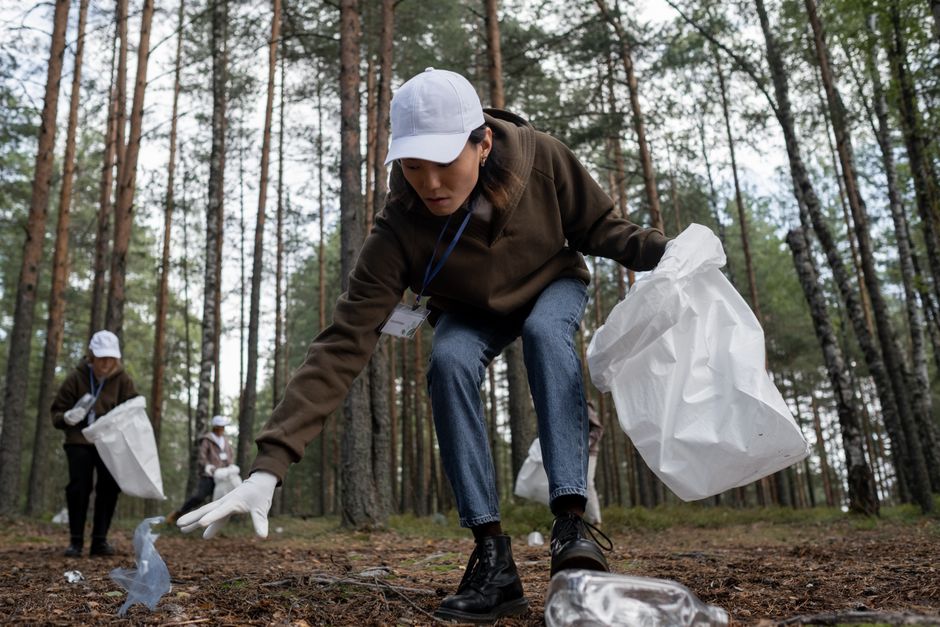
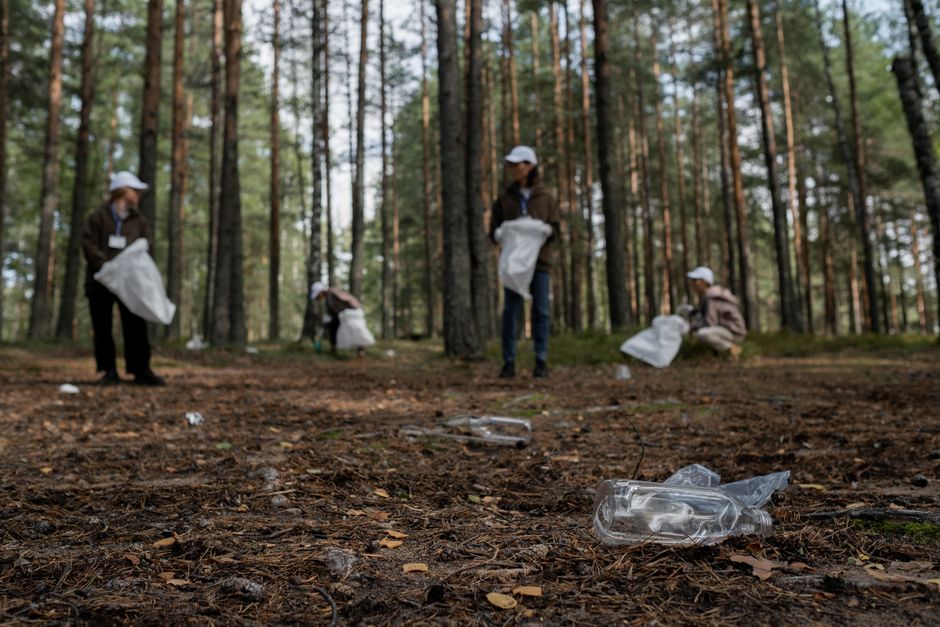
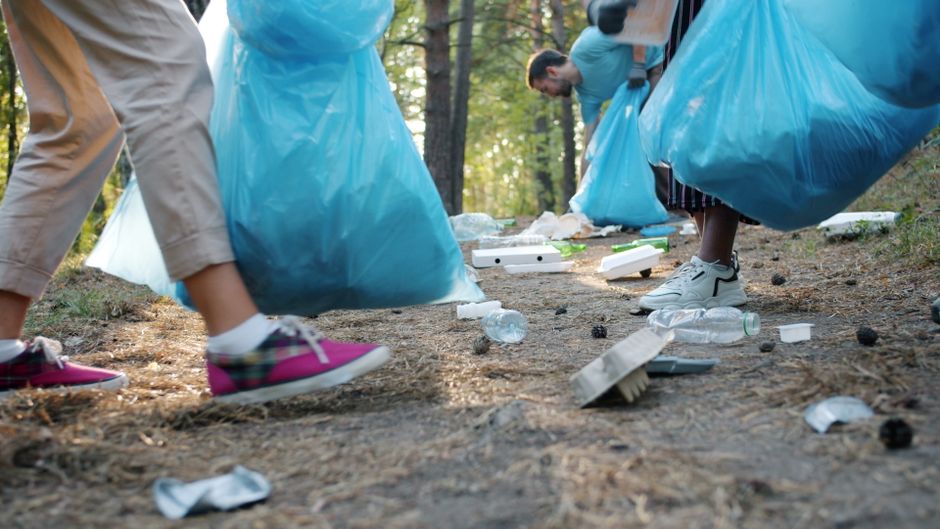
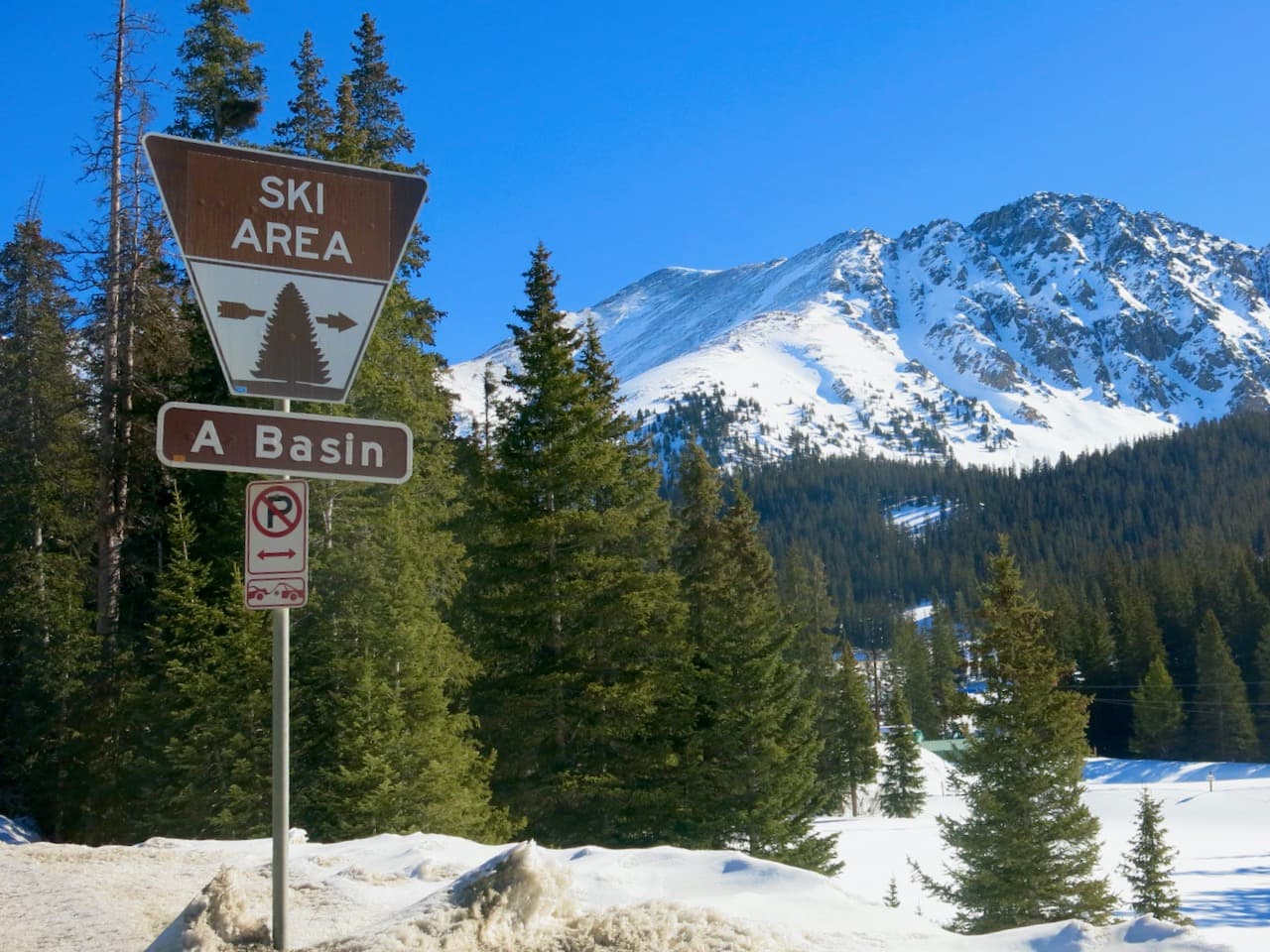
When the ski lifts stop spinning and the snowpack retreats, Vermont’s mountains reveal more than just mud and early spring greenery. A season of high-alpine recreation leaves behind a trail of human impact—snack wrappers, lost gear, and refuse discarded under chairlifts. For the residents of Vermont, this transition marks the return of Green Up Day, a storied tradition of community-led environmental stewardship.
According to SnowBrains, the initiative is more than just a cleanup; it is a cultural commitment to maintaining the state's natural landscape. Kate Alberghini, Executive Director of Green Up Vermont, describes the effort as a way to ensure that residents and visitors alike have a clean, healthy space to live, work, and play. The organization’s impact reached international recognition in 2024, when it set a Guinness World Record for the highest number of trash-pickup pledges in a 24-hour period, totaling 6,833 participants.
The roots of this movement run deep. The first Green Up Day occurred on April 18, 1970, organized by journalist Robert Babcock Jr. and Governor Deane Davis. Remarkably, this event predates the inaugural Earth Day by four days. The initial mobilization was massive, shutting down the state's interstate system for three hours to allow 70,000 volunteers to clear roadsides. This early success was instrumental in the passage of Vermont’s 1972 'Bottle Bill,' which significantly reduced roadside litter by incentivizing container redemption.
Today, the program is supported by a mix of grassroots enthusiasm and corporate partnership. Ski areas across the state play a vital role, not only by providing financial support to the nonprofit but by organizing volunteer teams to clean both mountain terrain and the roads leading to resort bases. Vermonters can also contribute through a tax-form checkoff, ensuring the initiative remains funded.
As the state balances modern challenges like housing and tourism, the 'Green Up' mentality remains a pillar of Vermont's identity. Beyond the physical act of removing trash, the event serves as a reminder to appreciate the mental and physical health benefits of the outdoors. As Alberghini notes, the goal is to foster a sense of shared responsibility, ensuring that the beauty of the Green Mountain State is preserved for future generations of hikers, bikers, and skiers.