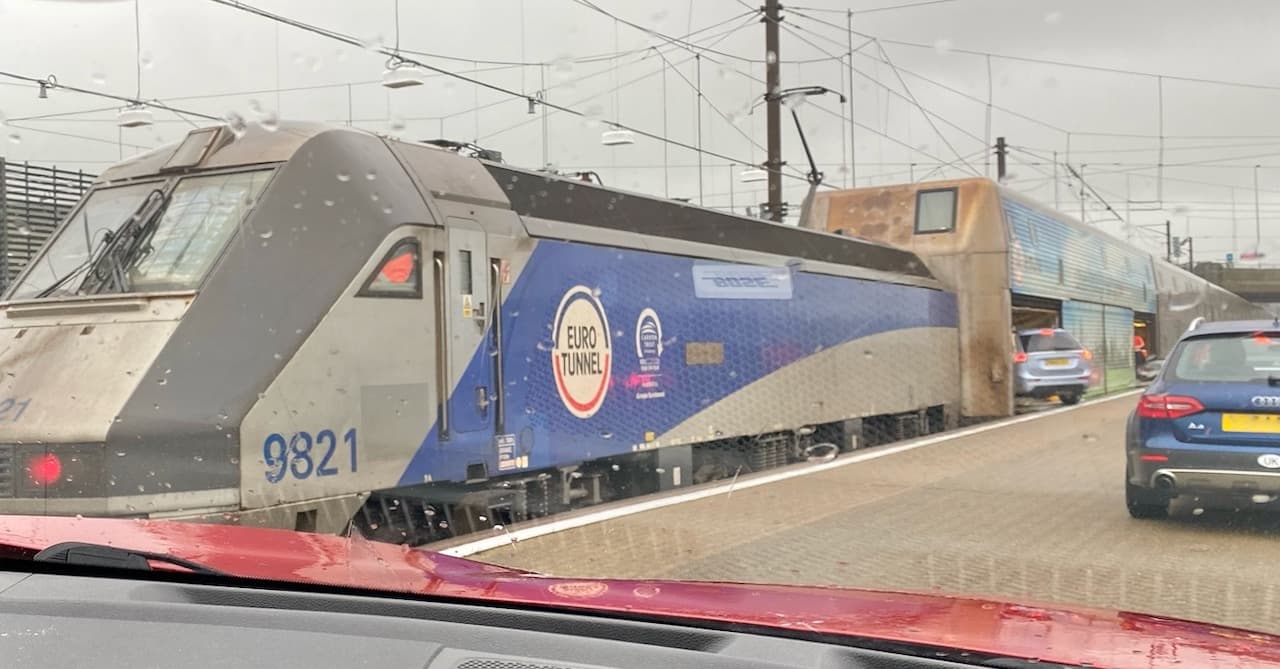
As the 2026 ski season progresses, a significant shift in travel patterns is emerging among alpine enthusiasts. According to reports from PlanetSKI, there is a clear uptick in travelers opting for the road over the air, with LeShuttle becoming a primary gateway for those heading to the French Alps.
For many, the appeal lies in reclaiming control over the holiday experience. Flying often involves the stress of early morning departures, strict luggage constraints, and the notorious "herding" process at airports. In contrast, driving allows skiers to pack their own gear—including multiple pairs of skis, helmets, and even pets—without the fear of lost luggage or excess weight charges.
Logistics and Route Planning
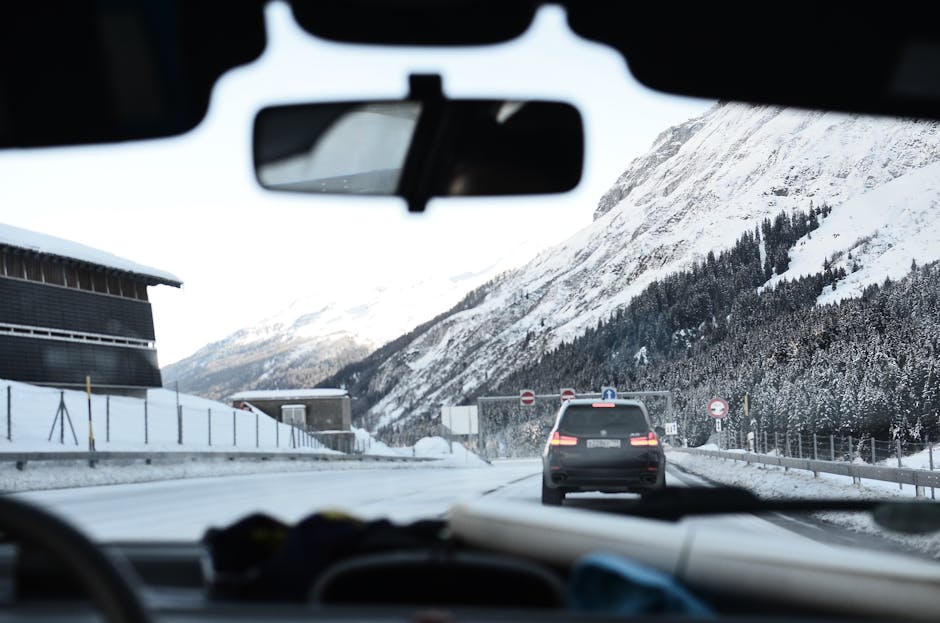
The journey across the English Channel via LeShuttle takes approximately 35 minutes from Folkestone to Calais. Once on the continent, the road network opens up to the major French resorts. Resorts such as Morzine, Les Gets, La Clusaz, and Chamonix are generally accessible within an eight-hour drive from the port. For those venturing further, the Three Valleys, Tignes, and Val d’Isere remain popular, while western Swiss resorts like Verbier are easily reached via a scenic route through the Jura mountains.
Turning Travel into a Holiday
Rather than viewing the drive as a chore, many seasoned travelers are opting to break the journey with an overnight stay. PlanetSKI notes that towns like Bourg-en-Bresse or locations in the Jura region offer a chance to sample local culture and cuisine, effectively turning the transit day into a meaningful part of the vacation. This approach avoids the fatigue of a single-day push and allows for a more relaxed arrival at the resort.

Cost and Efficiency
One of the strongest arguments for driving is the pricing model. Unlike airlines that charge per seat, LeShuttle operates on a vehicle-based fare that covers up to nine passengers. For families and groups of friends, this is often significantly more cost-effective than booking multiple flights and paying for expensive airport transfers. While travelers must account for the péage (toll) costs on French motorways, the overall flexibility and lack of fixed timetables provide a level of freedom that public transport cannot match.