As we celebrate Earth Day, it is worth considering what makes our home planet truly unique. While space exploration—highlighted by the Artemis II mission—continues to push boundaries, ski enthusiasts often wonder if we might one day carve turns on distant worlds. According to reporting by SnowBrains, the reality of extraterrestrial skiing is far more complex than the dream.
The Moon is a common first thought, but it presents major issues. Beyond the lack of snow, lunar dust remains for eons, meaning any tracks made would stay for roughly 150,000 years. This lack of a 'refresh' cycle makes it a poor candidate for a daily ski destination.
Mars offers the most dramatic topography, specifically the shield volcano Olympus Mons. Standing over 70,000 feet tall, it dwarfs Mount Everest. However, as noted by SnowBrains, the Martian atmosphere is predominantly carbon dioxide, and the planet experiences almost no precipitation. Furthermore, the water ice present at the poles is likely as hard as iron or aluminum due to extreme cold, making it nearly impossible to carve a turn.
Saturn’s moon, Titan, provides a more interesting case. It features an atmosphere thick enough to support weather and contains mountains like the Mithrim Montes, which rise over 10,000 feet. Radar data from the Cassini spacecraft suggests that methane snow may coat these peaks. However, the risk of sticky, methane-based slush or unpredictable methane rainstorms makes for a dubious ski experience.
Finally, Pluto hosts the Tenzing Montes, reaching heights of 20,000 feet. While the dwarf planet does experience nitrogen or methane snowfall, accumulation is incredibly slow. Research suggests that only a few millimeters may fall per century, meaning a skier would have to wait an eternity for a decent powder day.
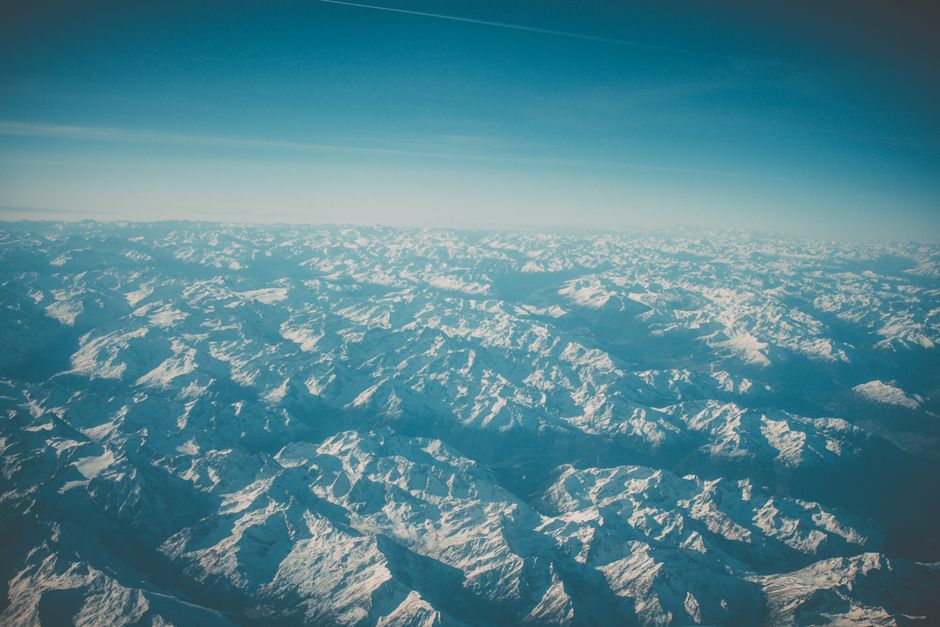
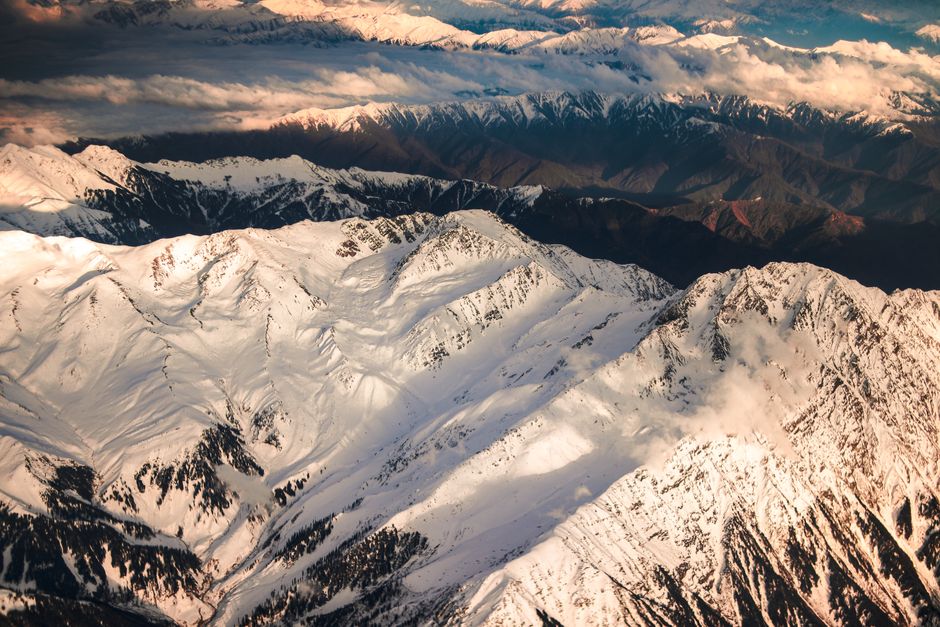
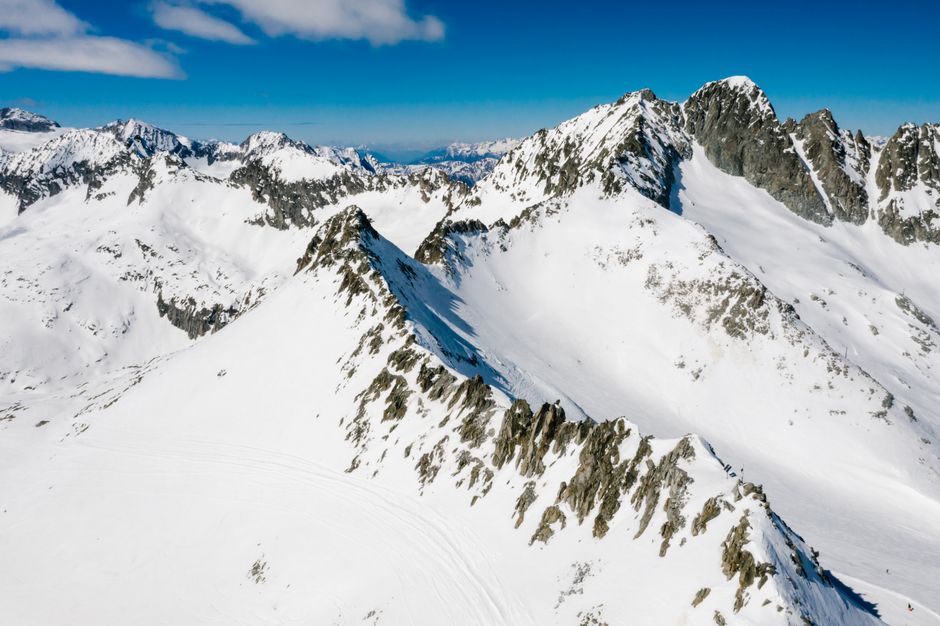
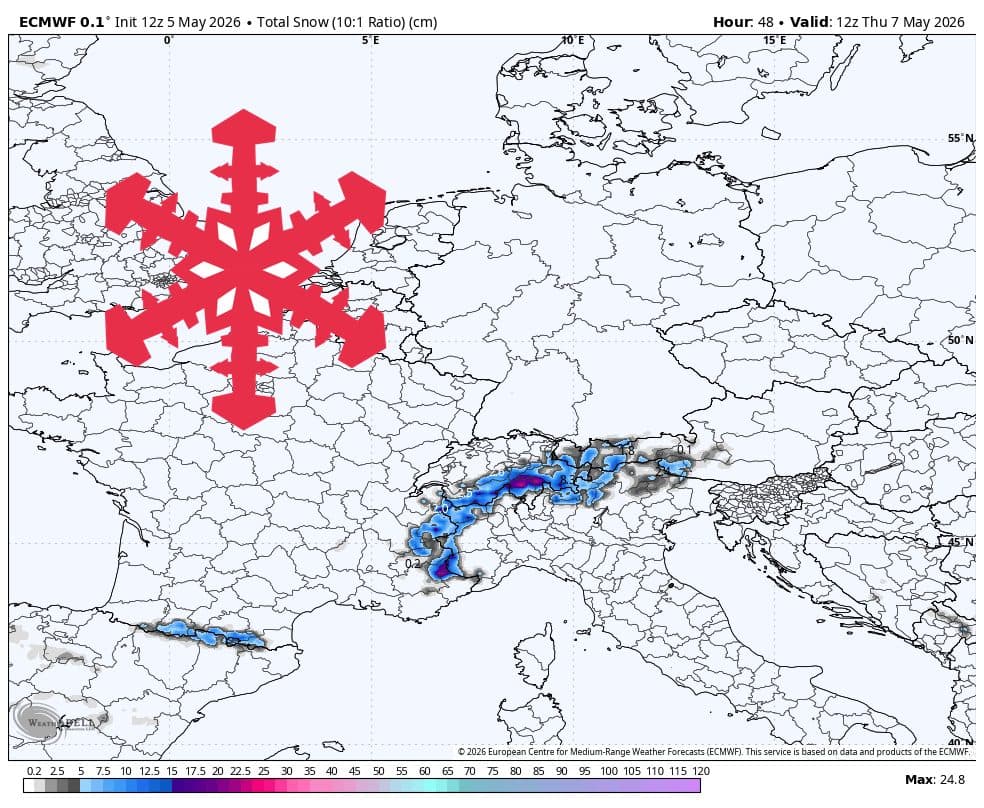
Ultimately, Earth remains the only place in our neighborhood where the atmosphere, water cycle, and temperature work in harmony to provide consistent, high-quality skiing. While the solar system is vast, the best powder remains firmly on our own planet.